An impact wrench is a high-torque tool built to loosen and tighten bolts and nuts using a square drive and sockets, mainly on vehicles and heavy fixings. An impact driver is a lighter, hex-drive tool aimed at driving screws and small bolts in wood, metal and general assembly work. Both use hammering internal mechanisms, but they solve different jobs.
What does an impact wrench actually do?
An impact wrench delivers rotational force in short, rapid bursts to turn a fastener that a steady twist would struggle to move. It uses a square drive — commonly the same sizes found on socket sets — so it takes standard sockets rather than screwdriver bits.
Inside, a hammer mechanism stores energy from the motor and releases it in pulses. Each pulse adds a jolt of torque without the operator having to lean into the tool with body weight. That is why an impact wrench can shift a stubborn wheel nut or a rusted chassis bolt where a hand ratchet or a plain drill would just stall.
Impact wrenches are sized by their square drive, and the drive size is a rough guide to how much torque the tool is meant to handle. For a plain-language look at what changes between drive sizes, see 1/4, 3/8 and 1/2 inch drive sizes explained.
What does an impact driver actually do?
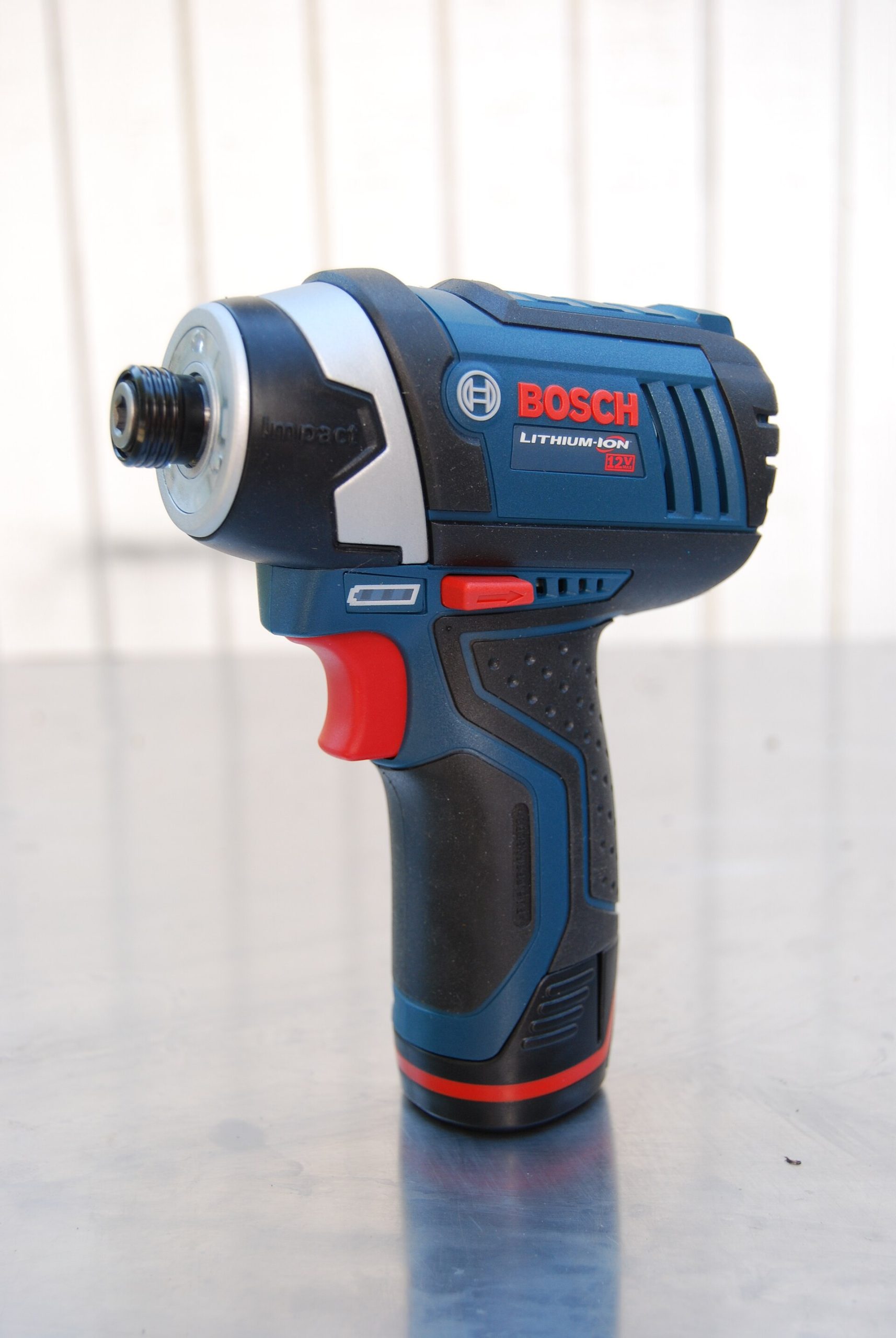
An impact driver is a compact tool for driving screws and smaller bolts. It uses a hex-shaped quick-release chuck that takes screwdriver and hex-shank bits rather than sockets, and it is built around speed and repetition rather than raw twisting force on large fasteners.
It uses the same basic idea as an impact wrench — a hammering mechanism that adds rotational impacts — but tuned for a different job. The impacts stop the bit from camming out of a screw head under load, which is one reason impact drivers are so good at sinking long screws without stripping them.
For a closer comparison of an impact driver against the more familiar drill driver, see Impact Driver vs Drill Driver: What Each Is Better At.
What’s the real difference between the two tools?
The difference is drive shape, fastener size and intended job, not just power. An impact wrench takes sockets on a square drive for turning bolts and nuts. An impact driver takes bits on a hex chuck for driving screws. They are not interchangeable for most tasks.
- Drive fitting: square drive with a socket versus hex chuck with a bit.
- Typical fastener: bolts, nuts and lug fasteners versus wood screws, deck screws and small machine screws.
- Typical setting: automotive and mechanical work versus carpentry, assembly and general fixing.
- Size and weight: impact wrenches tend to be bulkier because they are built for higher loads; impact drivers are made to be light enough for one-handed overhead work.
Both belong under the wider umbrella of impact tools, and both differ from a plain drill in the same underlying way — an internal mechanism that hammers rather than just spins. The background on that mechanism is covered in the driver comparison linked above, and the broader question of motor type is explained in Brushed vs Brushless: What the Motor Difference Buys You.
.jpg)
Which jobs suit an impact wrench?
An impact wrench suits jobs where a bolt or nut is torqued tight, corroded, or simply large enough that a hand tool becomes slow and tiring. Wheel nuts, suspension bolts, lawn mower blade bolts and structural hardware on trailers or equipment are typical examples.
It is often used alongside — not instead of — hand tools. A breaker bar, for instance, solves a similar problem through leverage rather than power, and knowing when each approach fits is worth understanding before reaching for either. See What Is a Breaker Bar and When Do You Need One? for that comparison.
An impact wrench is not usually the tool for final tightening where an exact torque value matters, such as wheel nuts on a vehicle being reassembled to a specification. That job calls for a calibrated torque wrench used according to the vehicle’s own documentation, not an impact tool run by feel.
Which jobs suit an impact driver?
An impact driver suits repetitive screw driving — decking, fencing, stud walls, furniture assembly, and any job where a drill driver would start to cam out or stall under load. Its light weight and hex chuck make quick bit changes and one-handed use realistic for long sessions.
It is a poor substitute for drilling clean, precise holes, and it is not built to take sockets for bolts in the way an impact wrench is. Reaching for the right tool rather than forcing one to do both jobs saves stripped fastener heads and rounded-off bolt corners.
Does drive size and bit size actually matter?
Yes — the drive size and bit shank determine what the tool can safely turn, and mismatching them is a common way fasteners strip or slip. A square drive rated for one class of fastener is not interchangeable with a hex chuck rated for another, regardless of adapters sold to bridge them.
Manufacturers publish the torque range and recommended fastener sizes for a given model. Those figures vary by tool and are not something this article can responsibly generalise — the tool’s own manual and printed specifications are the reference to follow, not a general rule of thumb.
What about torque control and getting a fastener right?
Neither an impact wrench nor an impact driver is a precision torque-setting tool in the way a dedicated torque wrench is. Both are built to apply force quickly, and most do not give a reliable readout of exactly how tight a fastener has ended up.
Where a fastener has a specified tightness — engine components, wheel hardware, structural fixings — the final check belongs to a calibrated torque wrench used to the figure in the manual, not an estimate from an impact tool. The reasoning behind that distinction is covered in What Is a Torque Wrench and Why It Matters on a Car.
What PPE and safety points actually matter here?
Impact tools are loud and can throw debris, corrosion flakes, or a socket if it is not seated correctly, so eye protection and hearing protection are not optional extras for sustained use. Loose clothing and gloves around a spinning drive or chuck are a separate hazard worth understanding on their own terms — see Why Loose Sleeves and Gloves Matter Near Rotating Tools.
Work on a vehicle raised off the ground, or on fixed wiring, gas lines or anything structural, sits outside the scope of a DIY job regardless of which impact tool is on hand — that work belongs to a licensed trade. The safety and PPE archive at Safety & PPE has further reading on protective equipment suited to specific tasks.
How do you actually choose between them?
Start from the fastener, not the tool. If the job involves bolts and nuts on a square drive — automotive, mechanical, outdoor equipment — an impact wrench is the fit. If the job involves screws in wood, metal brackets or general assembly, an impact driver is the fit.
Many home workshops end up with both, since they rarely overlap in use. Battery platform, corded versus cordless, and how the tool fits a wider toolkit are separate decisions worth weighing on their own — the general trade-offs are covered in Corded vs Cordless: What Actually Decides It? and the wider question of specification-reading in the buying tools guide. For how power tools work more broadly, the tool guide hub is a useful starting point before comparing specific models.
Find Tool publishes general information, not professional advice. Power tools, mains electricity and workshop machinery are genuinely dangerous, and the safe settings, guards and procedures differ between models — always follow the manual and the markings on the tool in front of you rather than a general guide. Never remove or defeat a guard or safety feature. Anything involving fixed wiring, gas or structural work belongs to a qualified tradesperson. Wear the eye, ear and respiratory protection the task calls for.
Featured image: Photo by Charles & Hudson, source, CC BY-SA 2.0