Metric vs Imperial Tools: What Actually Matters?
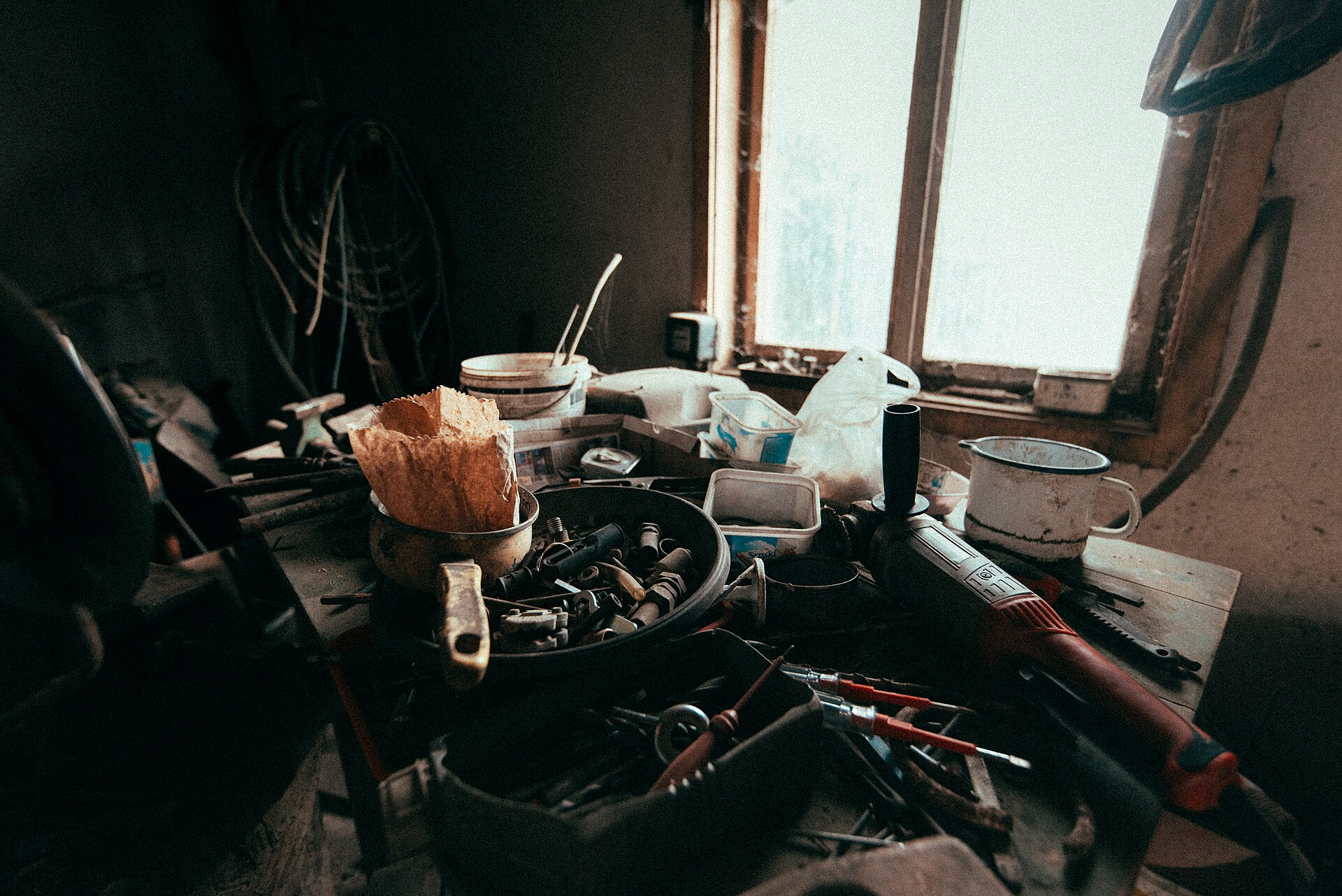
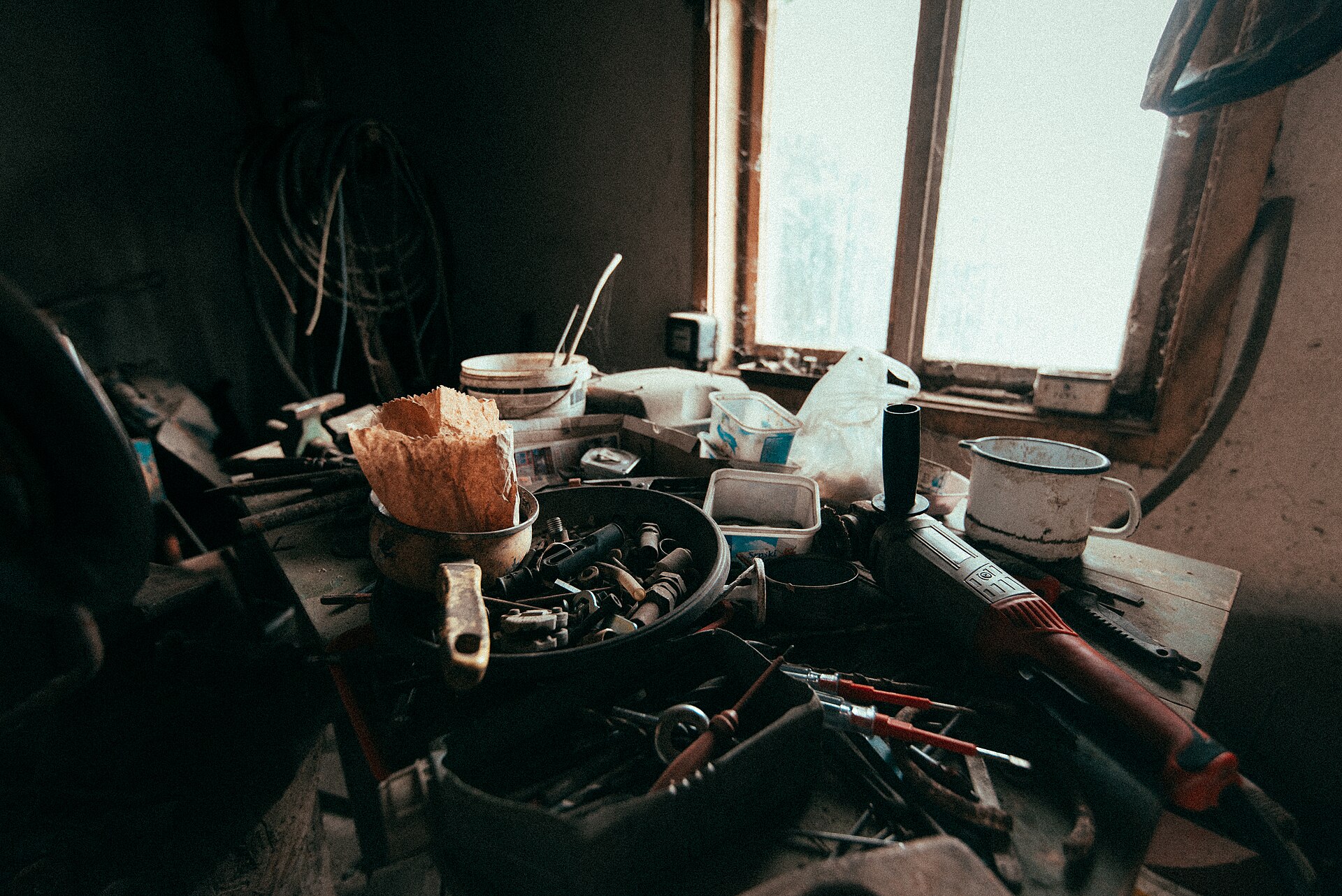
Cluttered workbench in a rustic workshop filled with tools and materials.jpg — illustrating Metric vs Imperial Tools: What Actually Matters?

For most home workshop tasks, metric versus imperial matters far less than whether the specific fastener, drill bit or spanner actually matches the part in front of you. The real risk isn’t picking the “wrong” system — it’s mixing sizes that look close enough but aren’t, which strips threads and rounds off heads. Does it … Read more
What Does Refurbished Mean When a Manufacturer Sells It?

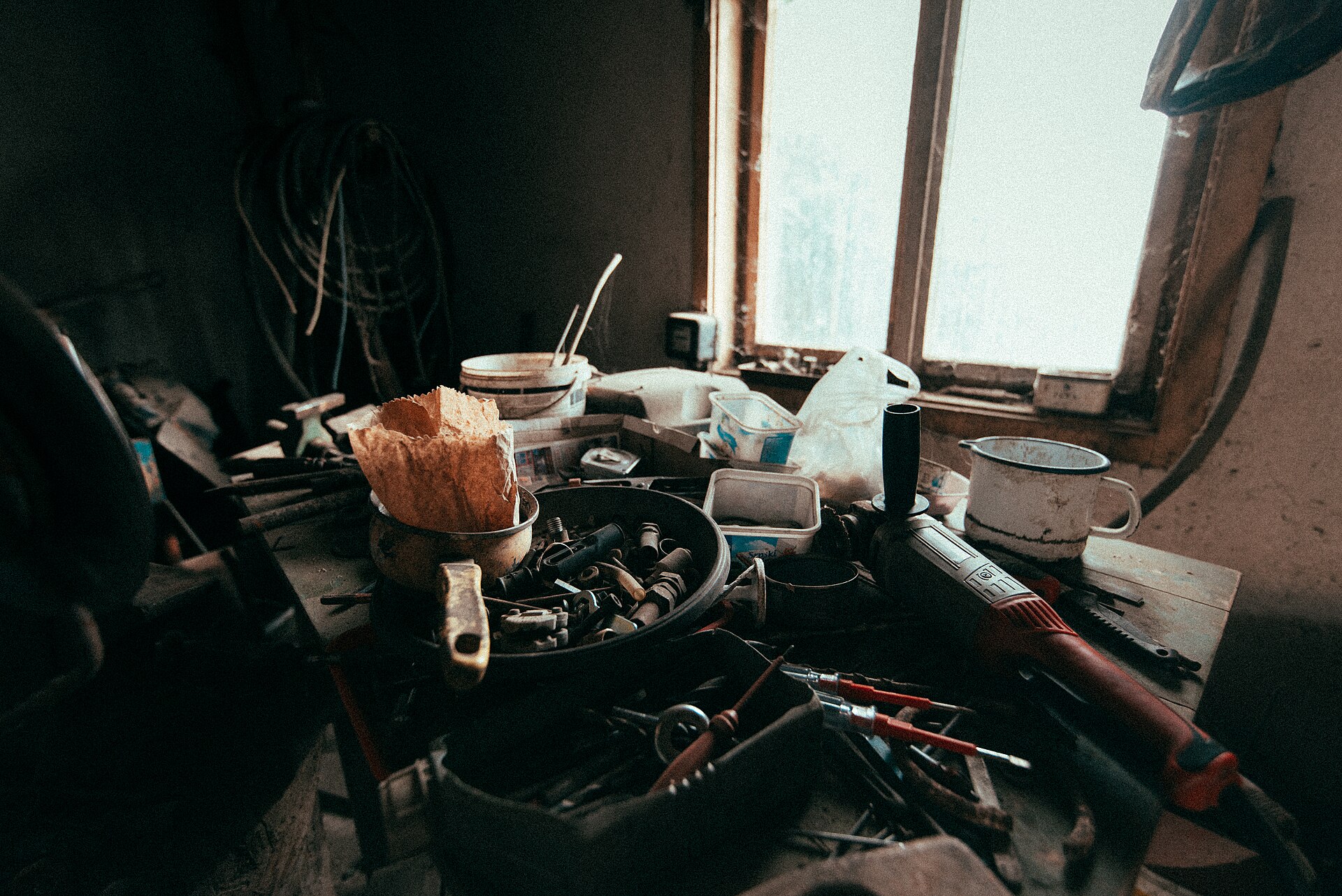
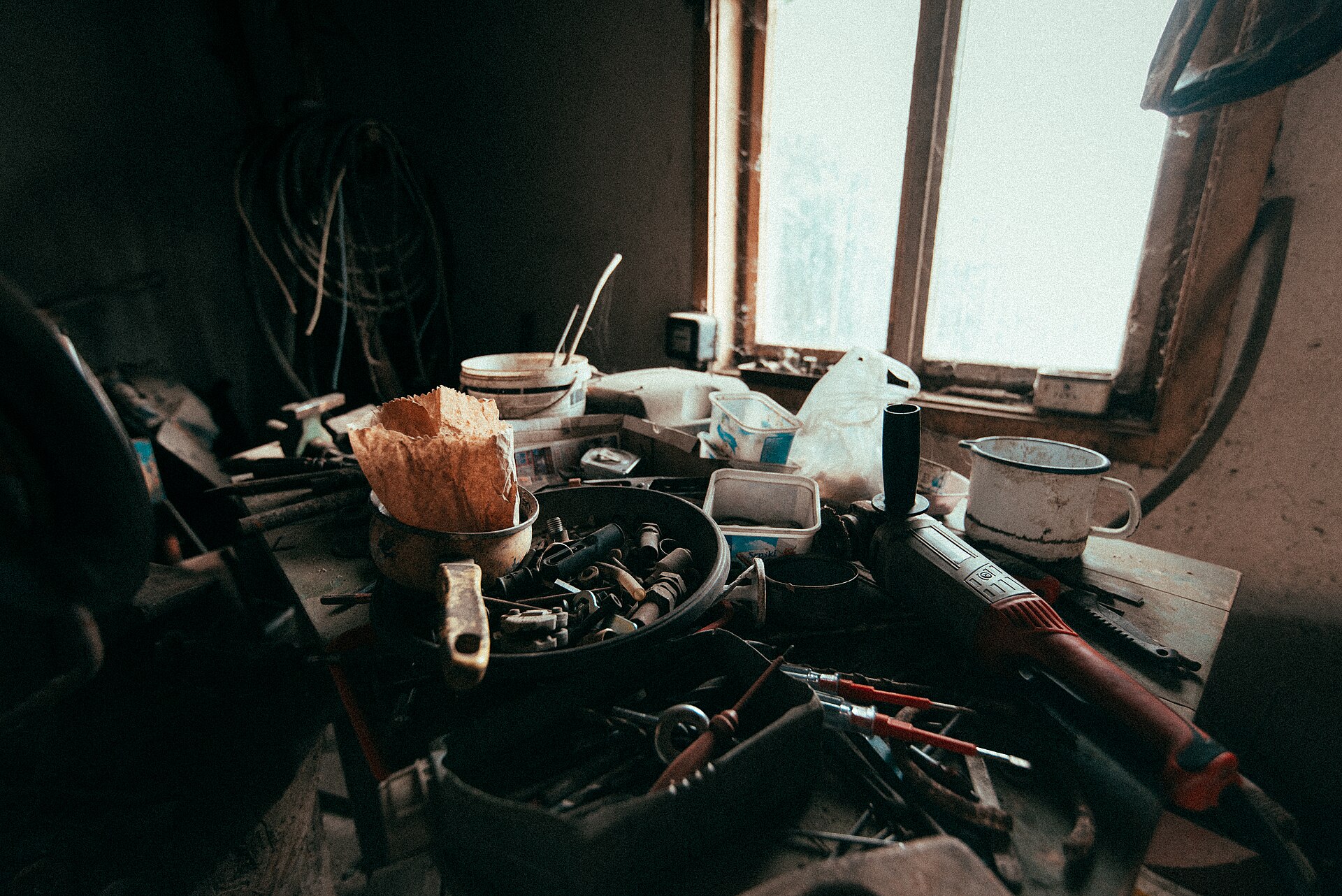
Cluttered workbench in a rustic workshop filled with tools and materials.jpg — illustrating What Does Refurbished Mean When a Manufacturer Sells It?

A manufacturer-refurbished tool is one that was returned, inspected, repaired if needed, and tested against the maker’s own working standard before being resold — usually with a shorter warranty than a new unit and a lower price. It is not the same as “used” or “open-box,” though sellers sometimes blur the terms. What does “manufacturer … Read more

Which Tool Specifications Are Marketing, Not Useful?

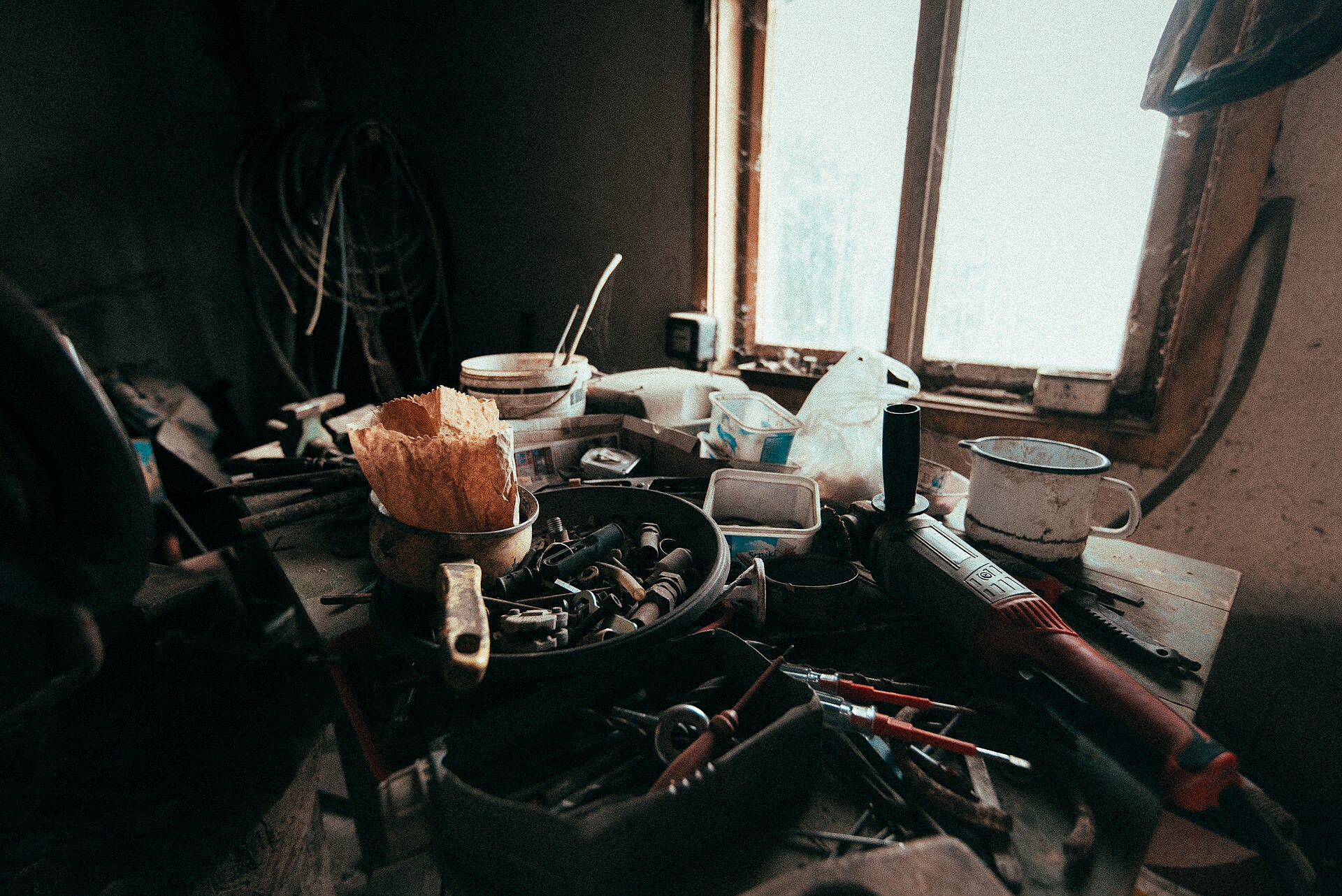
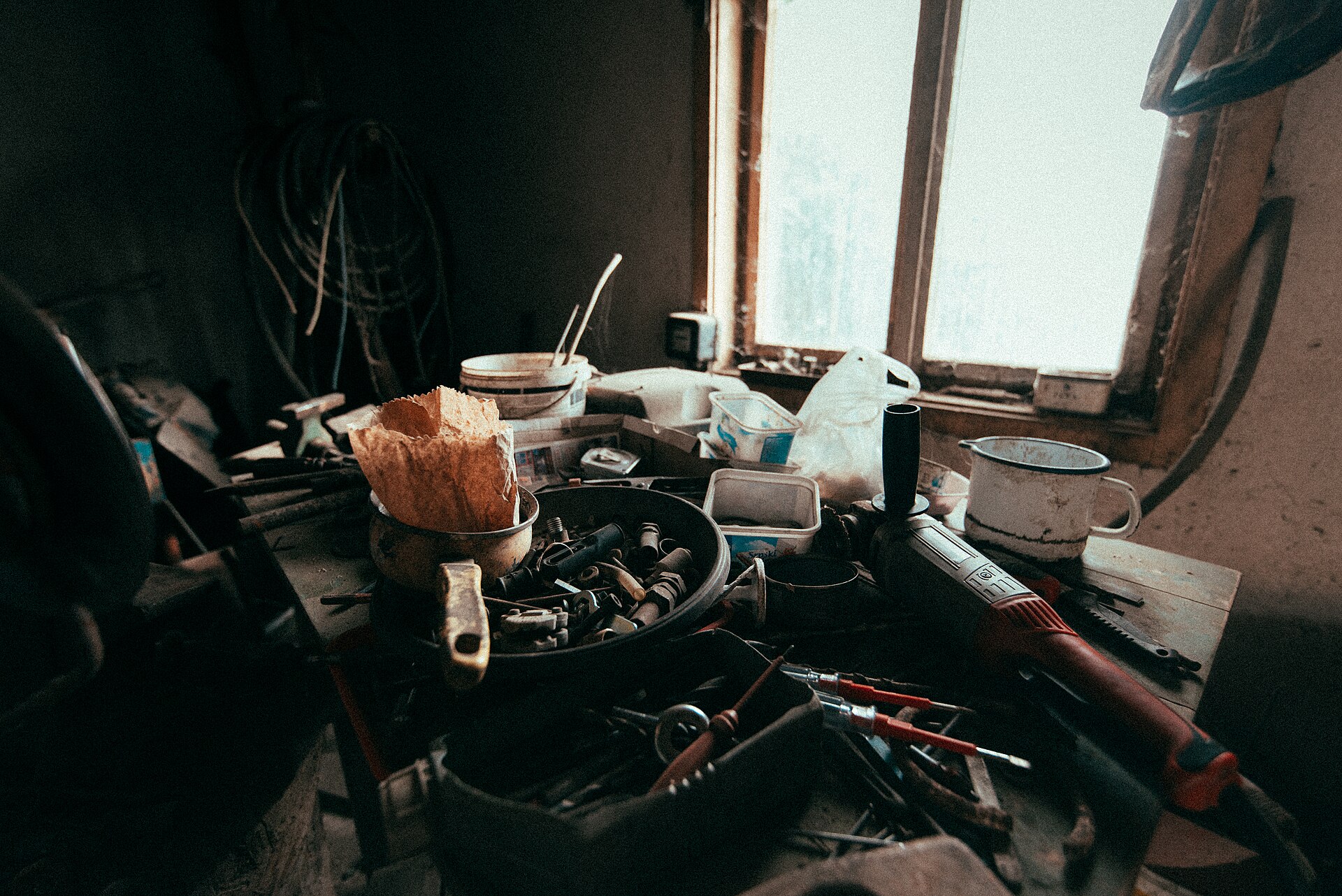
Cluttered workbench in a rustic workshop filled with tools and materials.jpg — illustrating Which Tool Specifications Are Marketing, Not Useful?

Some tool spec numbers describe something you’ll actually feel in use — power at the point of cutting, battery capacity, weight. Others are chosen because they sound impressive on a box: peak wattage, “max” voltage, laser-measured RPM with no load attached. The trick is knowing which number describes the tool doing its job, and which … Read more

What Does a Tool’s Weight Actually Change in Use?

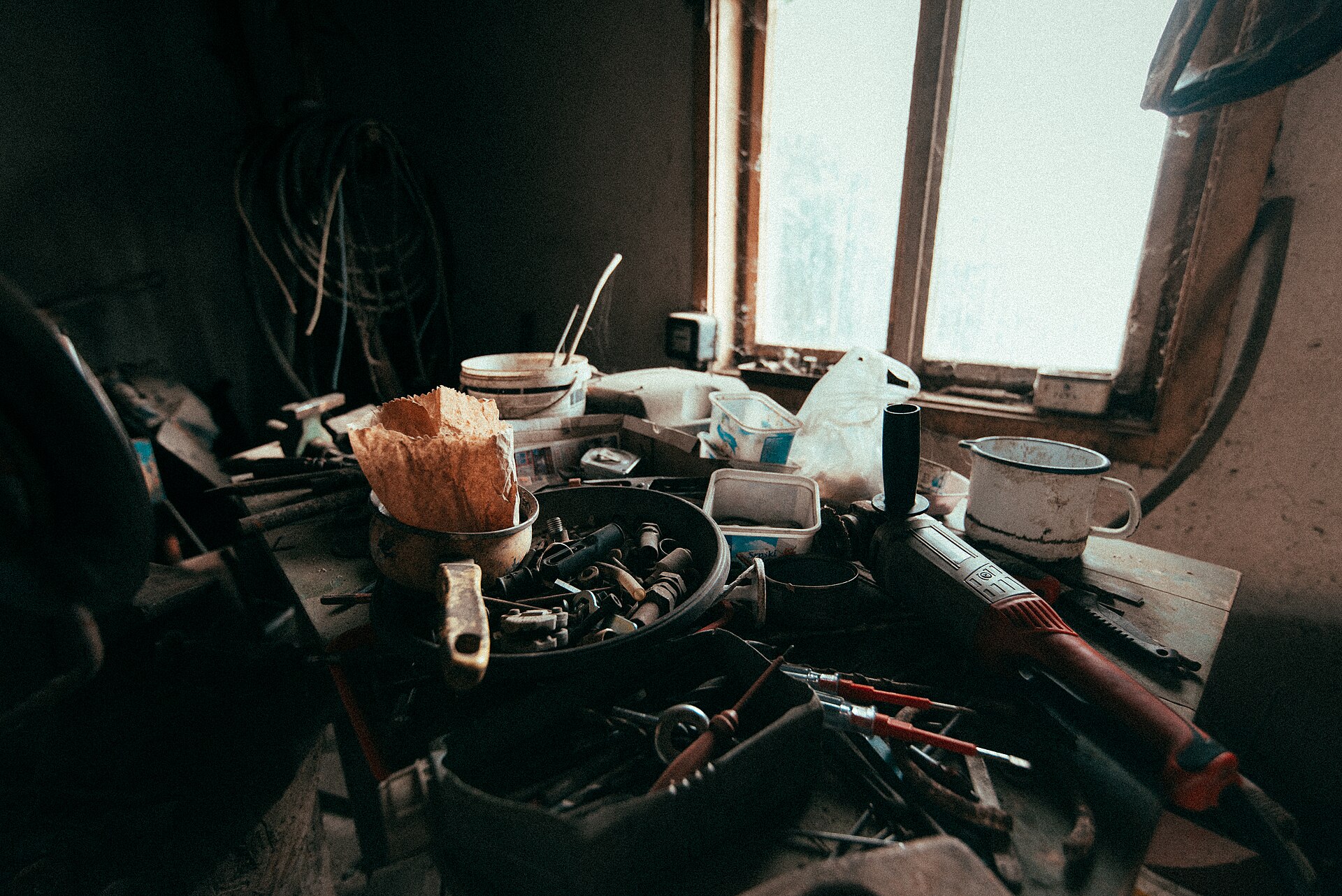
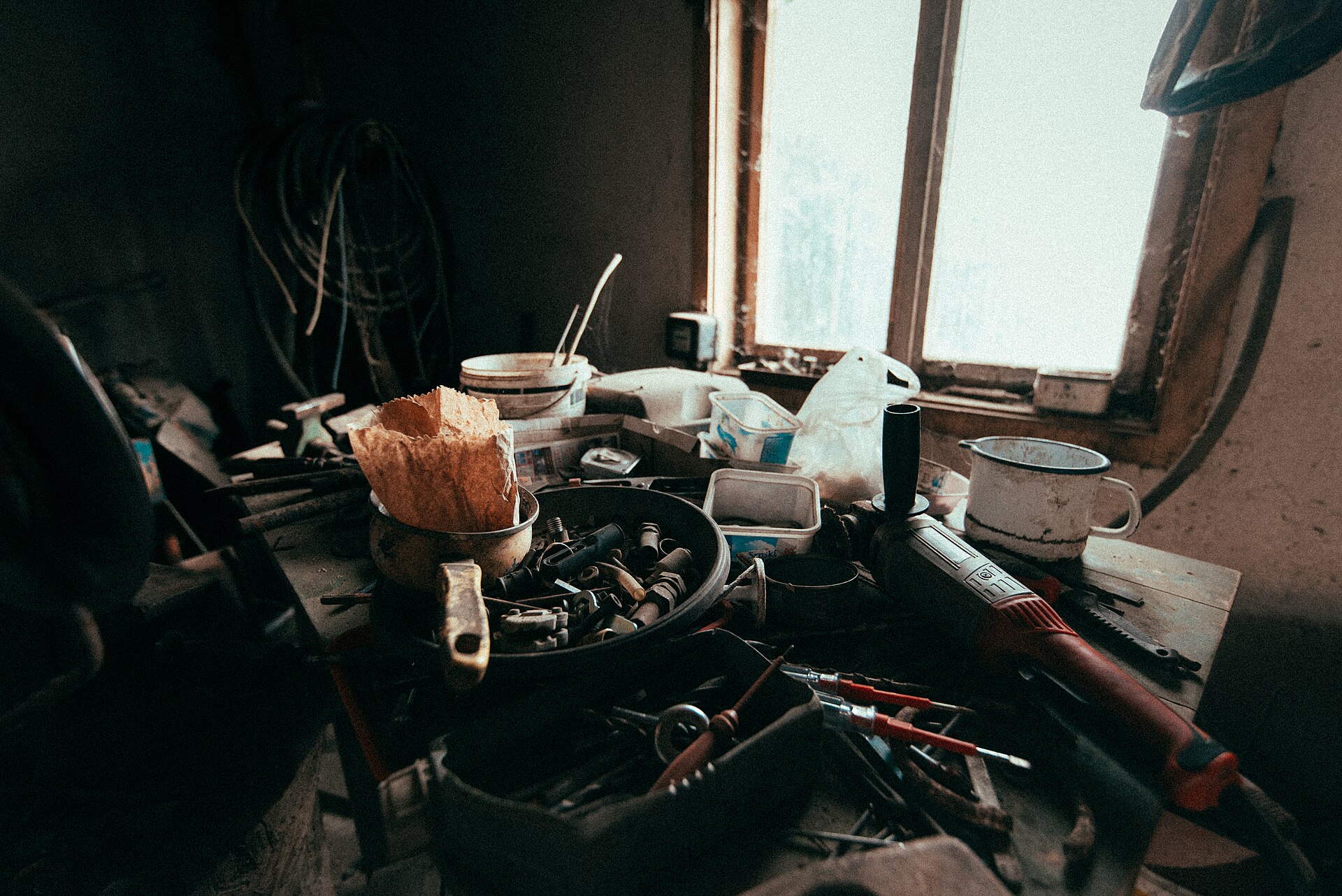
Cluttered workbench in a rustic workshop filled with tools and materials.jpg — illustrating What Does a Tool’s Weight Actually Change in Use?

A tool’s weight changes how tired your arm gets, how much vibration reaches your hand, how steady the tool stays mid-cut, and how much force it can put behind a blade or bit without you pushing. Heavier usually means steadier and more powerful per stroke; lighter usually means longer comfortable use and easier control overhead. … Read more

What Is Worth Buying New vs. Fine Second-Hand?

Cluttered workbench in a rustic workshop filled with tools and materials.jpg — illustrating What Is Worth Buying New vs. Fine Second-Hand?

Hand tools, cast-iron machinery and anything built to be sharpened or serviced are usually fine second-hand, because their value is in solid metal and simple mechanics that don’t wear out on their own. Batteries, cordless tool bodies, anything with a safety system built into the electronics, and tools you plan to use often are usually … Read more

About what you read here. Everything on Find Tool is general information and our own editorial opinion. We research carefully and we say when the evidence is unclear, but we can be wrong, things change, and no article can know your particular situation. Please do your own research and make your own judgement rather than treating anything here as the final word. Prices, products and specifications around tools and workshop equipment change constantly, and what suits one person will not suit another. Check current details yourself, and where a decision involves real money, safety or something you cannot undo, it is worth confirming with the manufacturer, or a qualified electrician or tradesperson before you act.

About  ·  Contact  ·  Privacy Policy
© 2026 Find Tool