A paint sprayer atomises paint into a fine mist and pushes it through a nozzle onto the surface,
rather than loading it onto bristles or a roller sleeve. It beats a brush when covering large or
uneven areas quickly, when a smooth, factory-like finish matters more than texture, or when the
material being applied is too thin or too runny for a brush to control well.
What is a paint sprayer, exactly?
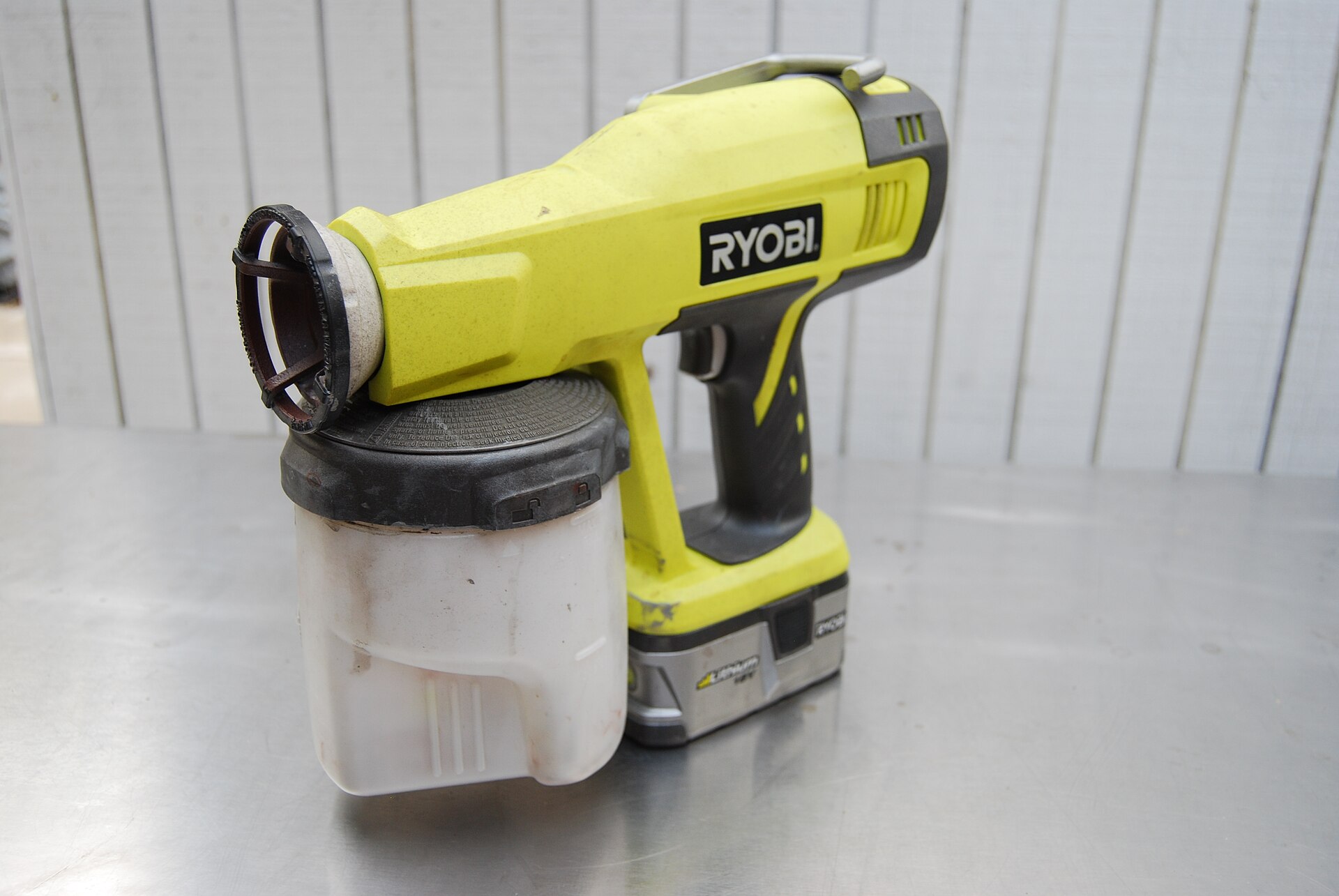
A paint sprayer is a tool that breaks a liquid coating into tiny droplets and propels them onto
a surface as an even mist, rather than transferring it in a loaded stroke. The three common
approaches are airless (which pumps paint at high pressure through a small tip), HVLP or high
volume low pressure (which uses a lot of air at gentler pressure through a spray gun), and
compressed-air conventional guns fed from a separate air compressor. Each atomises paint by a
different route, and that route shapes the finish, the overspray, and how forgiving the tool is
of thicker coatings.
How does a paint sprayer actually work?
An airless sprayer uses a pump to force paint at high pressure through a very small orifice.
The pressure drop as the paint exits the tip is what shatters it into droplets — there is no
separate air stream doing the atomising. HVLP and conventional air guns work the other way round:
a stream of air, moving fast but usually at lower pressure than airless, meets the paint at the
nozzle and breaks it up. That difference is why airless units handle thicker, less-thinned paint
comfortably, while HVLP tends to give a finer, more controllable finish on furniture-grade work.
When does a sprayer genuinely beat a brush?
Spraying earns its keep on jobs where coverage, uniformity or surface shape work against a
brush. It is worth reaching for a sprayer when:
- The area is large and mostly flat or gently contoured — fencing, cladding, garage doors,
ceilings. - The surface is fiddly rather than large — railings, wicker furniture, radiators, louvred
shutters — where a brush struggles to reach every gap and edge evenly. - The finish needs to be smooth with no visible brush marks, such as kitchen cabinet doors or
car body panels. - The coating itself is thin and fast-flowing, like some stains, lacquers and primers, which run
and drip when brushed but atomise cleanly under a sprayer.
When does a brush or roller still win?
A brush or roller still makes more sense than setting up a sprayer for small, contained or
detail-heavy jobs. Cutting in around a window frame, touching up a scuff on a skirting board, or
painting a single piece of furniture in a room full of other belongings all favour a brush,
because there is nothing to mask off and no overspray to manage.
Thick coatings — some masonry paints, heavy-bodied primers, certain deck coatings — are also
easier to apply by roller unless the sprayer and tip are specifically rated for that viscosity.
Forcing an unsuitable coating through a sprayer designed for thinner material usually means a
patchy finish and a clogged tip rather than a time saving.
.jpg)
What do the different sprayer types actually change?
The type of sprayer changes three practical things: how much overspray drifts off target, how
fine the finish looks, and how tolerant the machine is of unthinned paint.
- Airless sprayers move a lot of material fast and cope with thicker paint, which
suits fences, walls and large exterior surfaces, but they throw more overspray and are harder to
control at close range on fine work. - HVLP sprayers trade some speed for control, giving a finer atomisation that suits
cabinetry, trim and vehicle panels, usually with less waste but more careful thinning of the
paint beforehand. - Compressed-air conventional guns sit closer to HVLP in finish quality but need a
separate air compressor with enough capacity to run them, which is worth checking before buying
either piece separately.
None of these categories tells you which specific unit is right for a job on its own — that
depends on the coating being used and the surface being covered, which is exactly the kind of
trade-off covered on the buying tools guide hub.
What does “tip size” or “nozzle” actually control?
A spray tip or nozzle controls how much paint flows through it and how wide the fan pattern is
on the surface. A larger orifice passes more material per pass, which suits thicker coatings and
big areas; a smaller one suits thin coatings and detail work. Fan width changes how broad the
stripe is and how much overlap is needed between passes.
Exact tip sizes, recommended pressures and compatible coating types are set by the sprayer
manufacturer and, separately, by the paint manufacturer’s data sheet. The manual for the specific
sprayer, and the label on the specific tin of paint, should always be the deciding source — not a
general rule of thumb.
What PPE does spraying actually need?
Spraying needs eye protection, because atomised paint drifts and can reach the face even with
careful technique. It needs respiratory protection matched to the coating: a particulate mask is
not enough for solvent-based paints, which release vapours that call for a respirator rated for
organic vapours, while water-based coatings still warrant a properly fitted particulate mask for
the fine overspray mist.
Ear protection matters when the sprayer is driven by a loud air compressor or turbine run for
extended periods. Skin protection — disposable coveralls and gloves — is also worth using for
anything beyond a quick touch-up, since overspray settles well beyond the area being painted.
The safety and PPE section covers how to match protection to a
specific hazard rather than reaching for one generic item.
What preparation does spraying demand that brushing doesn’t?
Spraying asks for more setup than brushing, and that extra time is part of the real cost
comparison. Typical preparation includes:
- Masking off everything adjacent to the target surface, since overspray travels further than
most people expect. - Working in a space with enough ventilation for the coating being used, particularly with
solvent-based paints. - Straining the paint to remove skins and debris that would clog a small tip.
- Thinning to the viscosity the sprayer and paint manufacturer both call for, then testing the
spray pattern on scrap material before touching the real surface.
Skipping this stage is the most common reason a first attempt at spraying looks worse than a
brushed coat, not any shortcoming in the tool itself.
How should the different sprayer types be compared when buying?
Comparing sprayers is mostly about matching the machine to the coatings and surfaces actually
being worked on, not chasing the highest headline pressure or flow figure. Worth comparing:
- Whether the unit is a self-contained turbine (HVLP) or needs a separate compressor
(conventional) or high-pressure pump (airless) — this affects both upfront cost and how much
space the setup takes. - The range of viscosities the manufacturer states it can handle without excessive thinning,
since that determines whether one sprayer can do both fences and furniture. - How the sprayer is powered — corded units generally sustain higher output for longer runs,
while cordless models trade some runtime for freedom of movement, a trade-off covered in more
detail in corded versus cordless: what
actually decides it. - How easy the gun, hose and tip are to strip down and clean, since a sprayer left with paint
drying inside it is far more likely to clog on the next use than one cleaned promptly.
Pressure and flow ratings on a sprayer are worth reading the same way as the bar and
litres-per-minute figures on a pressure washer — the number only means something once it is
matched to the job it needs to do, a point explored in
Pressure Washer Bar and
Litres-Per-Minute Rating Explained. The motor driving the turbine or pump also affects
longevity and heat build-up on long jobs, which is one of the differences discussed in
brushed vs brushless motors:
what the difference buys you.
Where does a sprayer clearly not belong?
A sprayer is the wrong tool for small, occupied or poorly ventilated spaces where overspray
cannot be contained, and for anyone unwilling to do the masking and cleanup that comes with it.
It is also not the right choice for a single small item that a brush would finish in the time it
takes to set the sprayer up. Broader guidance on matching tool type to job size sits in the
power tools archive, and general trade-off thinking for any
tool purchase is covered in buying and comparing.
So, brush, roller or sprayer?
The honest answer is that most home workshops end up using all three, chosen job by job. A
brush handles detail and small touch-ups, a roller covers flat walls efficiently without the
masking overhead, and a sprayer earns its setup time on large runs, awkward shapes, or finishes
where visible brush marks are not acceptable. Matching the tool to the surface and coating, rather
than picking one method for everything, is what actually saves time and paint.
Related reading
how power tools, hand tools and measuring kit actually work, Die Grinder vs Rotary Tool: What Is the Real Difference?, Brad, Finish and Framing Nail Guns: What’s the Difference?, What Is a Heat Gun’s Temperature Range Actually For?
Find Tool publishes general information, not professional advice. Power tools, mains electricity and workshop machinery are genuinely dangerous, and the safe settings, guards and procedures differ between models — always follow the manual and the markings on the tool in front of you rather than a general guide. Never remove or defeat a guard or safety feature. Anything involving fixed wiring, gas or structural work belongs to a qualified tradesperson. Wear the eye, ear and respiratory protection the task calls for.
Featured image: Photo by Charles & Hudson, source, CC BY-SA 2.0