A compression tester measures how much pressure a cylinder can build while the engine is cranked over. A healthy cylinder seals well and builds pressure quickly and consistently. A low or slow-rising reading points to a leak past the piston rings, the valves, or a head gasket — the test narrows down where, but rarely says exactly what.
How does a compression test actually work?
The tester screws into a spark plug hole in place of the plug. The engine is cranked over with the throttle held open, and the tester’s gauge records the peak pressure the cylinder manages to build over several compression strokes. Each cylinder is tested the same way, one at a time.
The gauge holds its highest reading with a check valve, so it can be read after cranking stops rather than watched live. That is the whole mechanism — it is a simple, mechanical way of asking one question: can this cylinder seal itself well enough to build pressure?
What does the actual number mean?
On its own, very little. What matters is the number for one cylinder compared with the others in the same engine, tested the same way, on the same day. A vehicle’s manual or service documentation will usually give an expected range and — more importantly — the maximum acceptable spread between the highest and lowest cylinder. That spread is the number worth trusting, not any single reading in isolation.
This is a case where inventing a figure would be misleading rather than helpful. Compression numbers vary with engine design, altitude, cranking speed, battery condition and the exact tester used. A number that looks alarming on one engine is normal on another. The manufacturer’s service data, not a general rule, is what a reading should be checked against.
What does a low reading on one cylinder suggest?
A single weak cylinder among otherwise even readings usually points to something local to that cylinder: a burnt or leaking exhaust valve, a stuck or worn ring, or a problem specific to that bore. It is a strong clue to start looking in one place rather than tearing into the whole engine.
A wet test helps separate two of the likely causes. A small amount of oil is added into the cylinder through the plug hole, and the test is repeated. If the reading rises noticeably with the oil in place, the rings are the more likely culprit — the oil is temporarily sealing worn ring contact that a dry cylinder can’t. If the reading barely changes, a valve or head gasket problem becomes more likely, since oil in the cylinder does nothing to help a valve that isn’t sealing.
What does a low reading across every cylinder suggest?
Even, uniformly low readings across all cylinders point away from one bad component and toward something shared: worn rings across the board, a timing issue affecting valve events on every cylinder, or a problem with how the test itself was carried out — a weak battery turning the engine too slowly, for instance. Consistency across cylinders is itself a useful clue, separate from the absolute numbers.
What can a compression test not tell you?
It cannot say why a cylinder is weak, only that it is. It doesn’t diagnose ignition faults, fuel delivery problems, sensor faults or wiring issues — those show up through different tools and different symptoms entirely. A fault code reader is a separate diagnostic layer with its own limits; what an OBD2 scanner can and can’t tell you is worth understanding before assuming it will explain a mechanical compression problem, because it generally won’t.
It also doesn’t measure anything electrical happening around the engine while it’s cranking. For checks on wiring, sensors, and circuits rather than cylinder sealing, a multimeter is the tool that answers a different set of questions on a vehicle. Compression testing and electrical diagnosis solve different problems, and neither substitutes for the other.

What has to happen before the test even starts?
A compression test only gives a meaningful reading if the engine is prepared the way its manufacturer describes. That generally means every spark plug removed (not just the one being tested, so the engine cranks freely and evenly), and the ignition and fuel systems disabled for the duration of the test in whatever way the vehicle’s own documentation specifies. Skipping this step risks the engine trying to fire or fuel itself while a plug hole is open, which is neither a useful test nor a safe one. The manual for the specific vehicle is the authority here — the steps differ enough between engines that a generic instruction would be guesswork.
The engine will be cranked repeatedly during this test, sometimes for longer stretches than a normal start. Hands and tools need to stay clear of drive belts, cooling fans and any part of the engine that gets hot even briefly during cranking. Eye protection is worth wearing throughout — cranking an open cylinder can spit oil mist or debris back out through the plug hole, and that is exactly the kind of low-probability, high-consequence event eye protection exists for.
Is the tester itself accurate enough to trust?
The gauge, the hose fitting, and how tightly the tester seats in the plug hole all affect the reading. A loose fit or a worn seal on the adapter will leak pressure and produce a falsely low number that has nothing to do with the engine. Comparing cylinder to cylinder with the same tester, fitted the same way each time, is what makes the readings meaningful — swapping testers halfway through a set of readings undermines the comparison.
This is also why a single low reading is worth re-testing before treating it as fact. A poor seal on the tester, a battery that’s fading after several cylinders of cranking, or a throttle not held fully open can all produce one low number that isn’t really about the cylinder at all.
What should a buyer compare between compression testers?
Compression testers range from simple screw-in gauges to kits with quick-change adapters for different plug thread sizes, and some include a hold-and-bleed valve that makes retesting faster. The genuinely useful differences are build quality of the hose and fitting, how securely the adapter seats without leaking, and whether the thread range actually covers the vehicles being worked on — not the size of the printed dial or a high maximum reading that will rarely be approached.
For anyone assembling tools around engine diagnosis more broadly, the buying tools guide covers how to weigh specifications against real use rather than marketing claims, and the automotive tools archive and measuring and precision tools archive both cover related kit — from basic hand tools to gauges that answer a specific diagnostic question rather than a general one.
How does this fit with other engine checks?
Compression testing is one layer in a wider diagnostic picture, not a replacement for the rest of it. Basic maintenance tools, torque specifications on fasteners, and general electrical checks all play their own roles. For the tools a routine service actually needs, what a basic oil change actually requires is a useful comparison point, and for fastener work done alongside engine diagnosis, what a torque wrench actually does on a car explains why guessing tightness isn’t a substitute for a spec.
None of this replaces a qualified mechanic’s judgement on an engine that’s showing real symptoms — misfires, smoke, power loss, unusual noise. A compression test narrows down where a mechanical sealing problem sits; it doesn’t replace the experience needed to interpret what that means for the specific engine in front of someone. Where a reading is ambiguous, or where teardown and repair are being considered, that’s the point to bring in a professional rather than guess further.
For a broader sense of how measuring tools in general are read and misread, the tool guide hub and buying and comparing archive both cover the gap between a raw number and what it actually means for the job at hand.
Find Tool publishes general information, not professional advice. Power tools, mains electricity and workshop machinery are genuinely dangerous, and the safe settings, guards and procedures differ between models — always follow the manual and the markings on the tool in front of you rather than a general guide. Never remove or defeat a guard or safety feature. Anything involving fixed wiring, gas or structural work belongs to a qualified tradesperson. Wear the eye, ear and respiratory protection the task calls for.
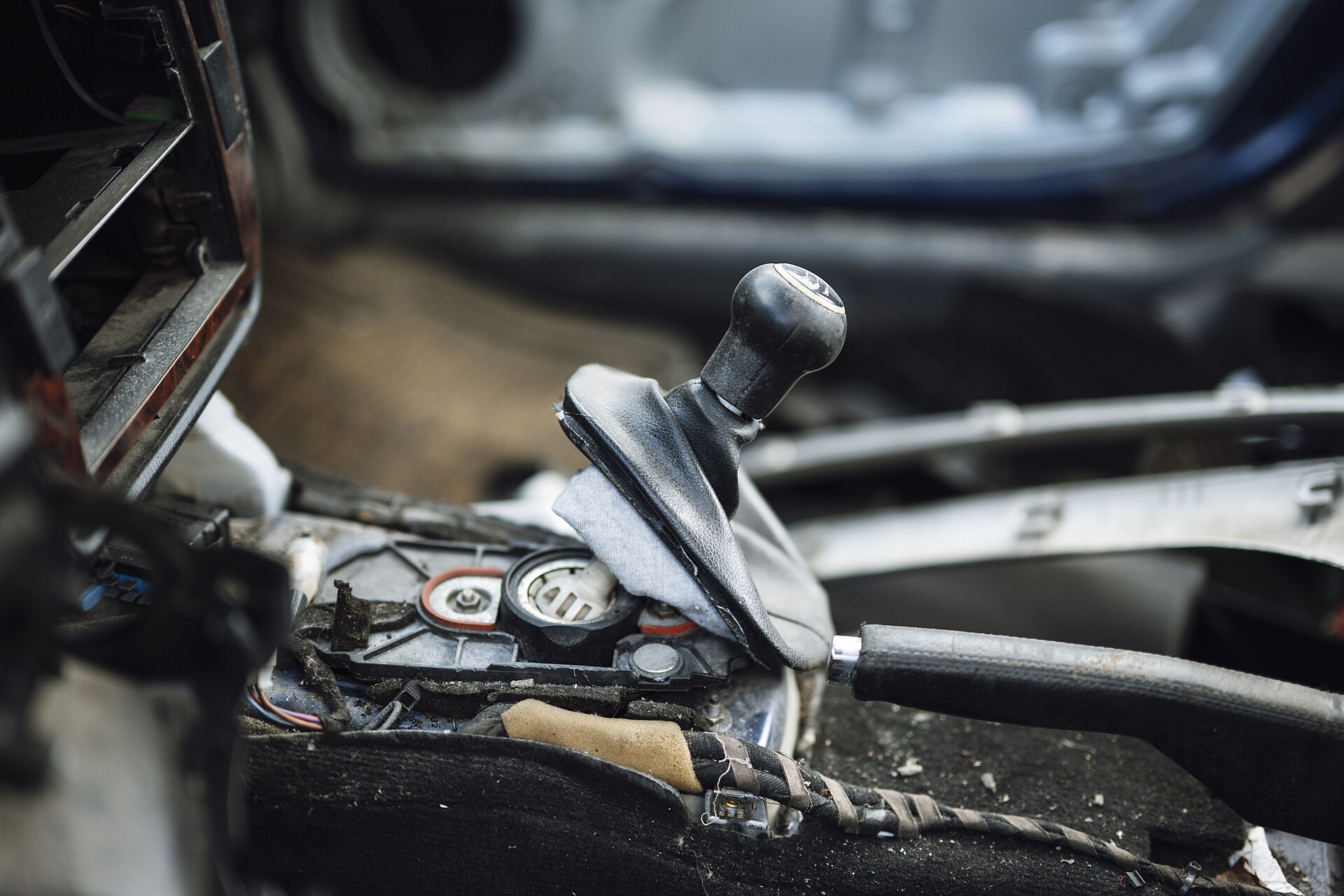
Featured image: Photo by Shixart1985, source, CC BY 2.0