Workshop temperature changes battery performance, lubricant behaviour, how wood and glue move, and how accurately measuring tools read. Cold slows chemistry and stiffens materials; heat speeds drying, expands metal, and stresses plastics. None of it ruins a session outright, but ignoring it produces wasted cuts, failed glue-ups and shorter tool life.
Why does temperature matter in a home workshop?
Most workshops are not climate-controlled the way a factory floor is. A garage or shed can swing from close to freezing in winter to uncomfortably hot in summer, and every material in it — wood, metal, plastic, rubber, adhesive, battery chemistry — responds differently to that swing. The practical effect is that the same tool, the same wood, and the same glue can behave noticeably differently depending on the day.
This isn’t a reason to panic about every degree. It’s a reason to understand which effects are real, which are worth planning around, and which are simply background noise.
How does cold affect power tools?
Cold thickens grease and lubricating oil inside gearboxes and bearings, which makes a tool feel sluggish or noisy until it warms up under load. Cold also makes plastic housings, cords and hose fittings more brittle, so a knock that would just mark a warm tool can crack a cold one.
Corded tools generally cope better with a cold start than cordless ones, because the motor itself isn’t affected by temperature the way a battery is. The trade-off between the two is covered in more depth in the power tools archive, and the broader question of what to compare when choosing between corded and cordless is worth reading before assuming one is simply “better” in a cold shop.
A tool that has been sitting in a cold garage overnight is also more likely to throw a chipped fragment if it’s used on brittle material straight away — eye protection matters here just as much as it does on a warm day, and arguably more, since cold-stiffened material can fracture rather than flex.
What happens to batteries in a cold or hot workshop?
Cold reduces how much current a battery can deliver and how long a charge lasts; heat accelerates the chemical wear that shortens a battery’s working life over time. Both effects are temporary in the case of cold and cumulative in the case of heat, which is why storage conditions matter more than a single cold morning of use.
A battery that’s genuinely cold to the touch will often show reduced power or a low-charge warning that clears up once it warms toward room temperature. Leaving batteries in a hot shed through summer, by contrast, does lasting damage that doesn’t reverse. The details of what temperature range suits storage, and why a half-charged battery left in a hot space is worse than a full or empty one, are laid out in how power tool batteries should be stored safely.
Does temperature change how wood behaves?
Temperature itself matters less to wood than the humidity that usually travels with it, but the two are linked: warm air generally holds more moisture, and wood absorbs or releases moisture to match its surroundings. That movement is what causes boards to cup, twist or open up at joints after a project is finished.
Wood brought in from a cold garage into a warm workshop, or the reverse, needs time to settle before it’s cut to final size. Milling it too soon after a temperature or humidity change is a common reason a tight joint fits perfectly on the bench and then gaps a week later once the wood finishes moving.
- Stack boards with spacers between them so air reaches all sides evenly.
- Give lumber time in the space it will be worked and finished in, not just the space it’s stored in.
- Expect movement across the width of a board, not along its length — that’s the direction grain structure allows it to happen.
What does heat and cold do to metal and measuring tools?
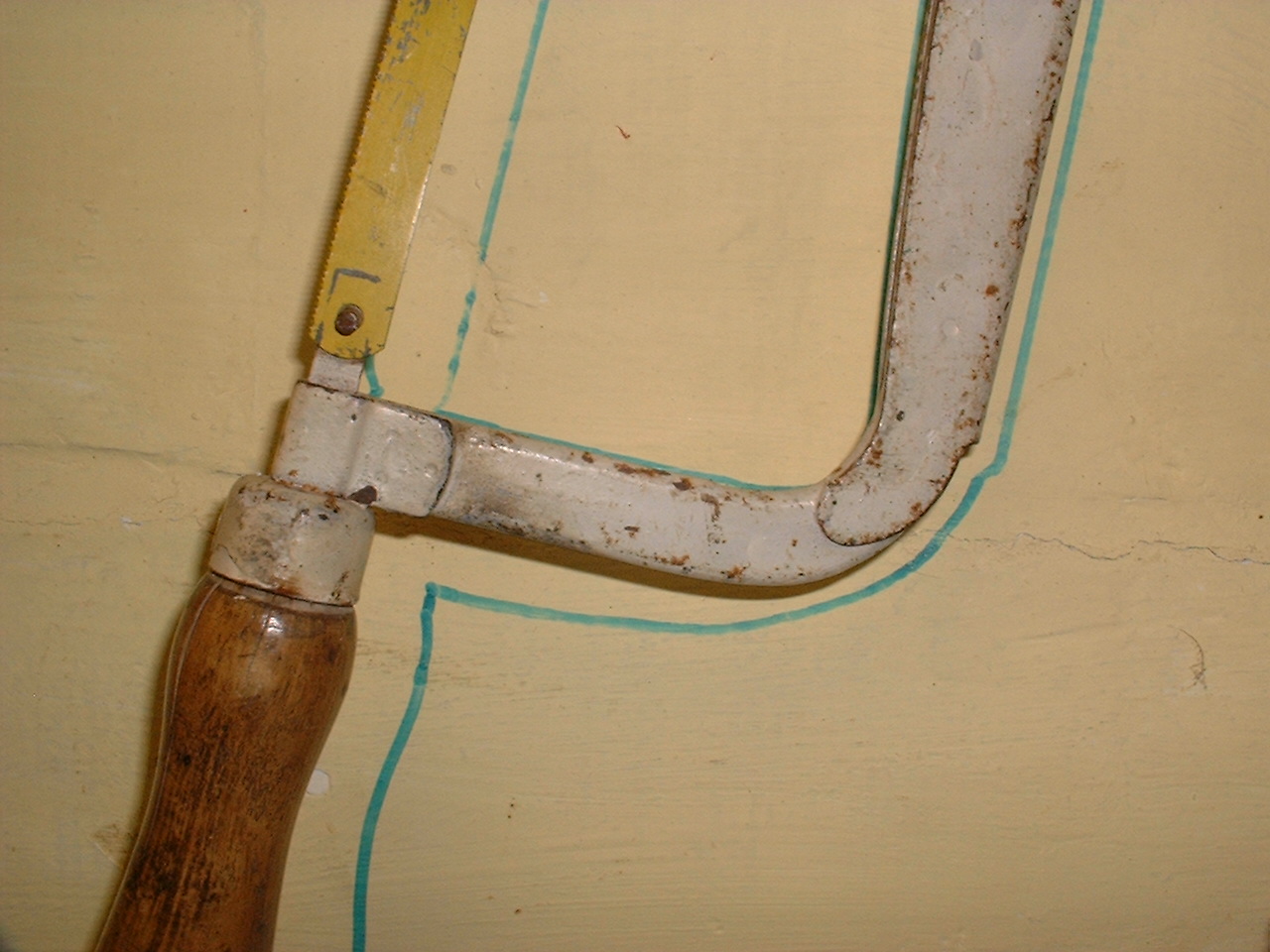
Metal expands slightly when warm and contracts when cold, and precision measuring tools are sensitive enough to notice. A steel rule, caliper or micrometer read at a different temperature than the workpiece it’s measuring can produce a result that’s technically wrong by a small but real margin.
For most home workshop tasks this doesn’t matter. For close-tolerance work — fitting a bearing, machining a part that has to mate with another metal component — it’s worth letting both the tool and the workpiece sit in the same room temperature before taking a critical reading. The mechanics of what a micrometer measures that a caliper can’t are explained in this guide to micrometers, and the broader idea of a measuring tool holding its accuracy over time and conditions is covered in what calibration actually means for a tool.
The measuring and precision archive has more on how small errors like this creep into a project without anyone noticing until a part doesn’t fit.
How does temperature affect glues, finishes and paint?
Cold slows the chemical reactions that let adhesives, finishes and paint cure, and can prevent some products from curing properly at all below a stated minimum temperature. Heat speeds drying, which sounds useful but often means a finish skins over on the surface before it has fully cured underneath, or a glue sets before a joint can be clamped and adjusted.
Every adhesive, finish and paint has a working temperature range printed on the container or in its data sheet, and that range is not a suggestion — it’s based on the chemistry of the product. A glue-up done in a workshop that’s too cold can look fine and still fail under load weeks later, because the bond never fully cured. Checking the label before starting is a five-second habit that avoids a much longer rework.
Can a cold or hot workshop damage the tools themselves over time?
Repeated temperature swings, particularly combined with the humidity that comes with them, are one of the more common causes of hidden corrosion on cast-iron tables, blades and unprotected metal surfaces. A cold tool brought into a warm room can develop condensation on its surface as moist air meets the cooler metal, and that moisture is what starts rust, not the cold itself.
Wiping down cast-iron surfaces and blades before storage, and keeping tools somewhere the temperature doesn’t swing dramatically day to day, does more for long-term tool condition than almost any other single habit. The tool care archive goes into more detail on rust prevention and general maintenance routines that matter regardless of climate.
What temperature range is realistic for a home workshop?
There isn’t one fixed number that suits every tool, material and adhesive — the practical answer is to keep the space close to normal indoor room temperature when precision work, gluing or finishing is happening, and to accept that storage areas can run cooler as long as batteries and moisture-sensitive materials are managed separately.
Manufacturers of adhesives, finishes and some battery-powered tools publish a minimum operating or curing temperature in their own documentation, and that figure should always take priority over a general rule of thumb from any article, including this one.
What’s a practical way to manage workshop temperature?
Insulating a garage or shed, sealing draughts, and using a portable heater for the duration of a session covers most home workshop needs without any structural work. A dehumidifier does more for tool rust prevention in many climates than a heater does, since damp air is usually the bigger threat to metal surfaces than cold air alone.
Installing a dedicated heating circuit, a fixed heater, or any new wiring in a workshop is electrical work governed by local code, and it’s a job for a licensed electrician rather than a weekend project — miswired heating in a space full of dust, solvents and metal is a genuine fire and shock risk. The safety and PPE archive covers other workshop hazards worth knowing about, and the workshop and storage archive has more on organising a space that copes well with seasonal changes.
Does this affect what tools are worth buying for an unheated space?
A workshop that regularly runs cold or swings widely in temperature is a reason to think about battery platform, storage habits and corrosion-resistant surfaces when choosing tools, rather than a reason to avoid any particular tool category. The buying tools guide covers what to compare when a tool’s environment, not just its specification sheet, should influence the decision, and the tool guide hub is a good starting point for understanding how a given tool actually works before temperature is added into the equation.
Find Tool publishes general information, not professional advice. Power tools, mains electricity and workshop machinery are genuinely dangerous, and the safe settings, guards and procedures differ between models — always follow the manual and the markings on the tool in front of you rather than a general guide. Never remove or defeat a guard or safety feature. Anything involving fixed wiring, gas or structural work belongs to a qualified tradesperson. Wear the eye, ear and respiratory protection the task calls for.