CFM (cubic feet per minute) tells you how much air the blower moves; MPH (miles per hour) tells you how fast that air leaves the nozzle. Volume shifts piles of light debris; speed dislodges stuck-on or heavier material. A blower’s real-world performance depends on both together, not either number alone.
What does CFM actually measure?
CFM is a volume rating — the amount of air the fan can push through the housing in one minute. A higher CFM figure generally means the blower can move a wider swath of leaves or clippings with each pass, which matters most on large open areas like a lawn or driveway.
CFM figures on the box are usually measured at the outlet under specific test conditions set by the manufacturer. Different brands don’t always test the same way, so a CFM number on one blower isn’t automatically comparable to a CFM number on another unless both were measured under the same standard. The manual or spec sheet should say which test method was used, and that’s worth checking before treating two ratings as directly comparable.
What does MPH actually measure?
MPH is a speed rating — how fast the air is travelling as it exits the nozzle. Speed is what breaks the grip of debris that’s stuck to a surface: wet leaves pressed into pavement, grass clippings matted on a lawn, or fine grit lodged in a gutter.
A narrow nozzle increases MPH without changing how much air the fan is actually producing, because the same volume of air is being squeezed through a smaller opening. That’s why some blowers ship with interchangeable nozzle tips — swapping to a narrower tip raises the speed reading, useful for stubborn debris, at the cost of the wider spread a broader nozzle gives for general sweeping.
Which number matters more for clearing leaves?
For dry leaves on a lawn or hard surface, CFM tends to matter more, because the leaves are light and simply need to be moved along, not dislodged from anything. A blower with strong airflow volume can clear a wide path efficiently even at moderate speed.
For debris that’s stuck, compacted, or embedded — wet leaves flattened by rain, dried mud, or clippings pressed into a patio — MPH becomes more important, since it’s the force that breaks that surface grip. Many real gardens involve both situations in the same session, which is why relying on a single spec to predict performance is unreliable.
Why don’t CFM and MPH multiply into one useful number?
It’s tempting to think a blower with high numbers on both specs must outperform one with a high number on only one, but the two figures aren’t measured at the same point in the airflow and don’t combine in a simple way. CFM is typically measured as total volume moved, while MPH is measured at the nozzle tip where the airstream is narrowest and fastest.
A wide nozzle on a powerful fan can produce high CFM with comparatively modest MPH. A narrow nozzle on a smaller fan can produce high MPH with comparatively modest CFM. Neither configuration is “better” in the abstract — they suit different jobs. This is one reason spec-sheet comparisons across brands can be misleading; see the general point about which figures are marketing rather than useful when comparing any power tool’s headline numbers.
.jpg)
Does engine or motor type change these numbers?
Petrol, corded electric and battery blowers can all be rated in CFM and MPH, but the type of motor affects how consistently those numbers hold up during use. A battery blower’s airflow can taper as the battery discharges, while a corded electric blower typically holds steady output as long as it’s plugged in and the extension lead is adequately rated.
Petrol blowers, often built around a small two-stroke engine, tend to sit at the higher end of both CFM and MPH ranges and can sustain that output for as long as fuel lasts, but they come with their own maintenance and emissions considerations. If you’re unfamiliar with why small garden tools still use two-stroke engines rather than four-stroke, that’s worth understanding before choosing between fuel types.
Brushless motors, where fitted to cordless blowers, tend to sustain airflow more consistently as the battery drains than older brushed designs, though the details vary by model — the manufacturer’s documentation for a specific tool is the only reliable source for how output changes through a battery’s discharge curve.
What should you actually compare when buying a blower?
Rather than chasing the highest single number, compare blowers on the combination of factors that match the jobs actually being done in a specific garden:
- Typical debris type — dry leaves on a lawn need different performance than wet leaves stuck to a patio or gravel that could be thrown as a hazard.
- Area size — a large open lawn rewards higher CFM for wide, efficient passes; tight corners and gutters often reward controllable MPH from a narrower nozzle.
- Weight and balance — a blower held at arm’s length for extended periods becomes tiring regardless of its airflow rating, and fatigue leads to rushed, less controlled use.
- Noise output — sustained high-decibel operation is a genuine consideration for both the operator and neighbours, and it’s not something CFM or MPH figures reflect at all.
- Corded vs cordless vs petrol — this changes running time, weight, and ongoing running costs more than either airflow spec does. The trade-offs between corded and cordless tools generally apply here too.
Nozzle attachments and variable-speed triggers matter in practice more than the number on the box, since they let one blower adapt between wide-area sweeping and stuck-debris clearing without buying two machines.
What PPE does leaf blowing actually need?
A leaf blower throws dust, grit, small stones and dried plant matter into the air, often directly back toward the operator depending on wind direction. Eye protection is necessary any time a blower is running, not just when debris is visibly airborne — grit can be lifted off a hard surface faster than it can be seen coming.
Sustained engine or motor noise, particularly from petrol models, reaches levels where hearing protection is appropriate for any extended session, not only for the loudest machines. Fine dust — dried soil, pollen, and in some settings mould spores from decomposing leaf litter — is also worth considering a respiratory mask for, especially for anyone with respiratory sensitivities. None of this is optional “if you feel like it” advice; it reflects what the task itself throws into the air, which is a theme covered more generally in the safety and PPE section of the site.
Does CFM or MPH tell you anything about running time or durability?
No. Airflow specs describe what the fan does the moment it’s switched on; they say nothing about how long a battery lasts, how long a fuel tank runs, or how the motor holds up over years of use. Those are separate questions answered by battery capacity, fuel tank size, duty cycle, and build quality — not by the CFM or MPH figure on the packaging.
If longevity and total cost matter as much as raw clearing power, it’s worth reading about what actually drives the price of a power tool and how a battery platform commitment can shape ongoing costs before settling on CFM or MPH as the deciding factor.
How does this compare to other garden power tools?
Leaf blowers aren’t the only garden tools where a headline spec oversimplifies real performance. Strimmers, brushcutters and edgers are often compared the same way, and the actual differences between a strimmer, brushcutter and lawn edger come down to the job and material more than any single number. The same is true of scarifiers, where the effect on the lawn matters more than a stated speed or width. For a broader look at how to weigh up specs across garden and workshop tools generally, the buying and comparing guide covers the recurring traps in reading a spec sheet, and the garden and outdoor archive holds related equipment guides for the rest of a typical toolshed.
Related reading
choosing a tool, what the specs mean, and what to compare, how power tools, hand tools and measuring kit actually work, What Is a Post Hole Digger, and When Is It the Wrong Tool?, What Is a Garden Mattock For? A Plain-Language Guide, What Is a Dutch Hoe and How Does It Differ From a Draw Hoe?.
Find Tool publishes general information, not professional advice. Power tools, mains electricity and workshop machinery are genuinely dangerous, and the safe settings, guards and procedures differ between models — always follow the manual and the markings on the tool in front of you rather than a general guide. Never remove or defeat a guard or safety feature. Anything involving fixed wiring, gas or structural work belongs to a qualified tradesperson. Wear the eye, ear and respiratory protection the task calls for.
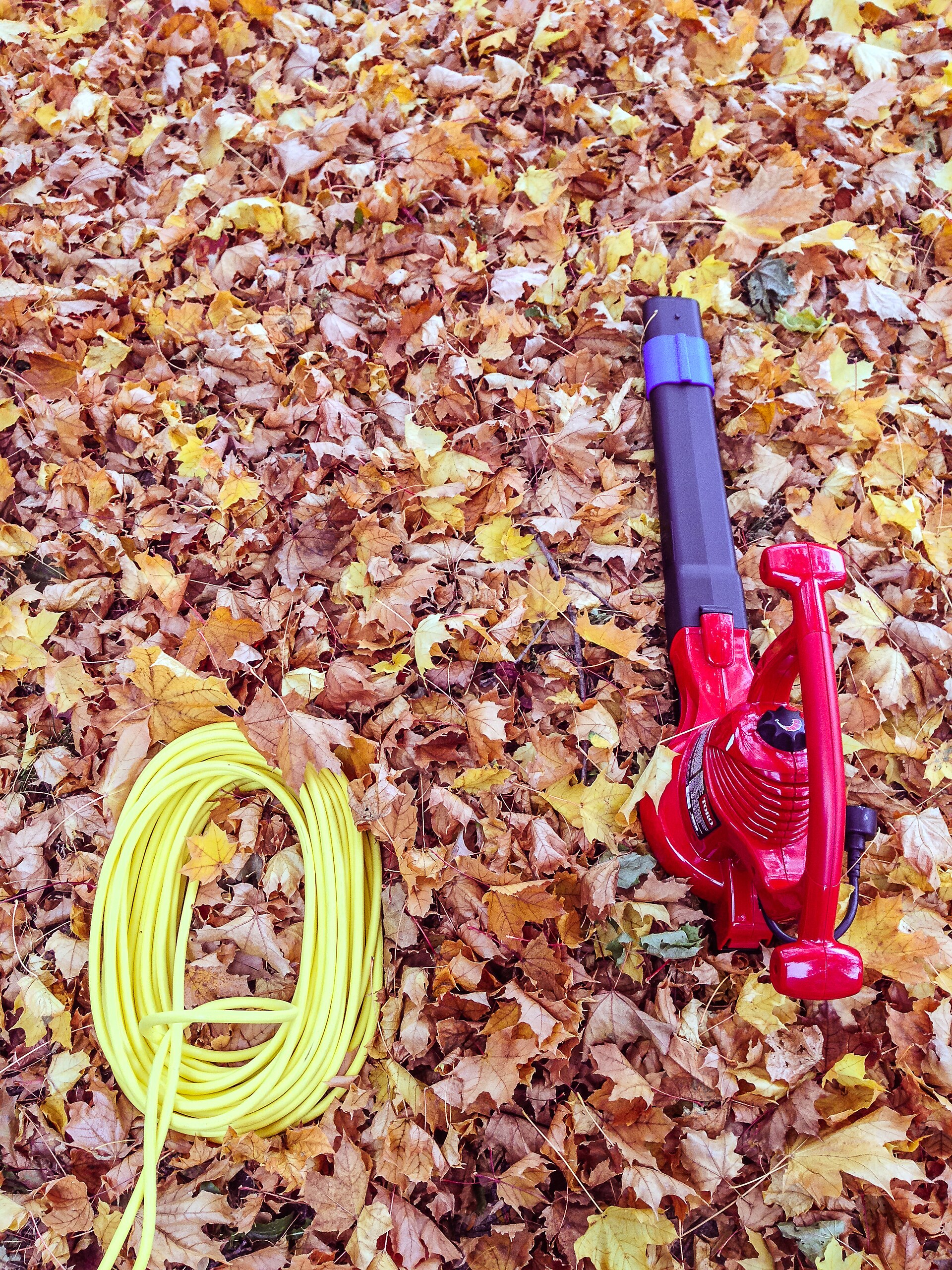
Featured image: Photo by Tony Webster from Portland, Oregon, source, CC BY-SA 2.0