A Dutch hoe has a flat blade set almost in line with the handle, pushed forward just under the soil surface to slice weed roots as you walk backwards. A draw hoe has a blade set at a right angle to the handle, pulled toward the user to chop and drag soil. The push-and-slice action is the main practical difference between the two.
What is a Dutch hoe?
A Dutch hoe is a flat, thin blade fixed to the handle at a shallow angle, so the cutting edge sits nearly parallel to the ground when the handle is held at a comfortable working height. Some versions have the blade fixed rigidly; others are hinged so the blade can swing slightly as it moves through soil, which some gardeners find reduces jarring on stony ground.
The tool is used with a push-pull, shuffling stroke. The blade is worked just under the surface, slicing through the roots of small weeds rather than digging them out. Because the cut happens close to the surface and the blade is thin, a Dutch hoe disturbs relatively little soil and does not tire the arms as quickly as a chopping tool over a long session.
It suits open ground between rows of vegetables or bedding plants, where the main job is knocking back seedling weeds before they get established. It is not designed for breaking up compacted soil or cutting through established roots.
What is a draw hoe?
A draw hoe has a blade mounted more or less at right angles to the handle, similar in geometry to a small mattock or an adze. The stroke is a chop-and-pull: the blade is brought down and drawn toward the user, cutting into the soil and dragging it back rather than slicing across the surface.
This makes a draw hoe better suited to jobs that need more force and more soil movement — cutting a shallow trench or drill for sowing seed, earthing up potatoes, chopping through tougher weeds and their roots, or breaking the crust on soil that has dried and hardened. Some draw hoes have a narrow blade for drills and furrows; others have a wider blade for general chopping and clearing.
Because the action pulls soil toward the body, a draw hoe tends to leave more disturbed ground and loosened soil behind it than a Dutch hoe does, which is useful when the goal is preparing a bed rather than simply knocking down weeds.
How is a Dutch hoe different from a draw hoe?
The core difference is blade angle and stroke direction, and everything else follows from that.
- Blade angle — a Dutch hoe blade sits close to in-line with the handle; a draw hoe blade sits close to a right angle to it.
- Stroke — a Dutch hoe is pushed forward with a shuffling motion; a draw hoe is chopped down and pulled back.
- Depth of cut — a Dutch hoe skims just under the surface; a draw hoe digs in further and moves more soil.
- Best use — a Dutch hoe is a maintenance tool for keeping weeds down between crops; a draw hoe is more of a shaping tool, for drills, earthing up and clearing tougher growth.
- Fatigue — the Dutch hoe’s lighter, more repetitive stroke is generally less tiring to sustain over a large area; the draw hoe’s chopping action asks more of the arms and back per stroke.
Neither tool replaces the other. A garden with beds and rows of vegetables usually benefits from having access to both actions at different points in the season, even if only one of them gets used regularly.

Which hoe suits which weeding job?
The choice usually comes down to what state the weeds and soil are in, rather than personal preference alone.
- Small annual weeds in loose soil between rows — a Dutch hoe, worked regularly before weeds get past seedling stage, is normally faster and less tiring.
- Established weeds with deeper roots, or ground that has gone hard — a draw hoe’s chopping action has more chance of actually cutting through rather than skating over the top.
- Making a straight drill for sowing seed, or drawing soil up around potato stems — this is draw hoe territory, since the tool is designed to move soil, not just slice roots.
- Maintaining paths and gravel edges where a fine, shallow cut matters more than digging — a Dutch hoe is usually the gentler option on the surface.
Timing matters more than tool choice for weed control generally. A Dutch hoe used on seedling weeds every week or two in dry weather does more good than either hoe used occasionally on weeds that have already set root and seed. For a look at other tools that shape rather than just clear ground, the guide on what a border fork is actually for covers a related edge case — loosening around existing plants without disturbing roots.
Does blade shape and steel matter?
Blade material affects how long an edge holds up and how much maintenance the tool needs, but it does not change which hoe is right for which job. Forged, hardened blades generally keep an edge longer under repeated contact with soil and stones than lighter stamped blades, though thickness and heat treatment vary between manufacturers and are not something a shopper can judge from a listing alone.
Blade shape — pointed, swan-neck, or straight-edged — changes how easily the tool gets into corners and between closely spaced plants, but it is a secondary consideration next to whether the tool is a push or pull design in the first place. A hinged Dutch hoe blade (sometimes sold as an “oscillating” hoe) is designed to cut on both the push and the pull stroke, which some gardeners prefer for continuous rows, though it is a variation on the push-hoe principle rather than a different tool category.
For a broader look at how to compare hand tool specifications without getting distracted by marketing terms, the buying tools guide hub covers what actually matters when reading a product listing, and the hand tools archive covers other tools worth understanding before buying.
What should you check before buying either hoe?
A few practical points matter more than brand or finish:
- Handle length — a hoe used standing up should let the user work without stooping. Length that suits a taller or shorter gardener is a genuine comfort factor, not a marketing detail.
- Handle material — wood flexes slightly and is common on traditional designs; fibreglass and metal-cored handles resist splitting but add weight and cost.
- Blade attachment — a securely socketed or riveted blade is less likely to work loose than one held by a single screw, especially with repeated chopping strokes on a draw hoe.
- Weight balance — a head that is too heavy for the handle length makes a long weeding session tiring faster than blade sharpness ever will.
None of these figures can be sensibly stated as a fixed number that applies to every garden or every gardener — they depend on the user’s height, the bed layout, and how the tool will actually be used, so trying the handle length in person or checking a retailer’s stated dimensions against personal reach is more useful than chasing a spec sheet.
What PPE actually matters for hoeing?
Hoeing is low-risk compared with powered garden tools, but it is not risk-free. Sturdy, closed footwear protects toes from a mis-struck blade, and gloves reduce blistering during longer sessions, particularly with wooden handles. On stony or gravelled ground, a hoe blade can flick grit or small stones up toward the face, so basic eye protection is worth using in those conditions rather than only around power tools. The safety & PPE archive covers eye and hand protection in more depth for readers setting up a wider garden or workshop kit.
Do you need both a Dutch hoe and a draw hoe?
For a garden with rows of vegetables and beds that need regular weeding, having both tools available covers most jobs without duplicating function. A Dutch hoe handles routine maintenance between plantings; a draw hoe handles the heavier work of preparing drills, earthing up, and clearing weeds that have got past the seedling stage.
A smaller plot, container beds, or a garden without rows to weed between may only need one or the other, and it is worth thinking about the actual jobs done through a season rather than buying both on the assumption that more tools means better coverage. Readers weighing up hand tools more generally against the equivalent powered options — a mini cultivator instead of a hoe, for example — may find the garden & outdoor archive useful for comparing where hand tools still do the job better than a powered one.
Whichever hoe ends up in the shed, basic care extends its working life more than steel grade does. A blade left wet or muddy after use corrodes faster than one wiped down and stored dry, and the effects build up over seasons rather than showing immediately — the article on what rust actually does to a tool covers why this matters, and the tool care archive has more on keeping hand tools working properly between uses.
Find Tool publishes general information, not professional advice. Power tools, mains electricity and workshop machinery are genuinely dangerous, and the safe settings, guards and procedures differ between models — always follow the manual and the markings on the tool in front of you rather than a general guide. Never remove or defeat a guard or safety feature. Anything involving fixed wiring, gas or structural work belongs to a qualified tradesperson. Wear the eye, ear and respiratory protection the task calls for.
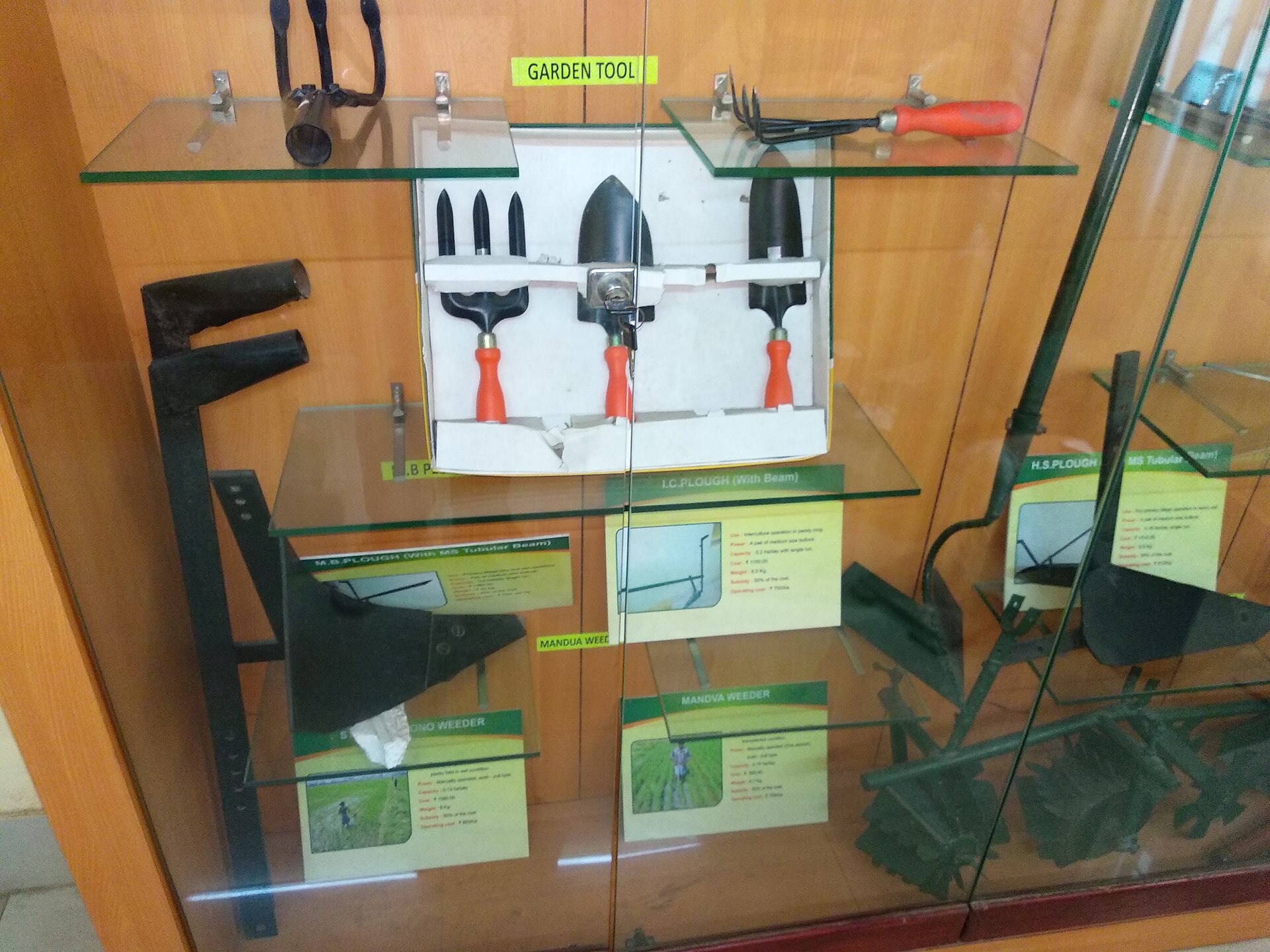
Featured image: Photo by Th3Snehasish, source, CC BY-SA 4.0
Related reading
The Tool Guide, What Is a Lawn Scarifier and What Does It Do?, Wheelbarrow vs Garden Cart: What Is the Difference?.