CFM stands for cubic feet per minute, and on an air compressor it measures how much air the pump can actually deliver, not how powerful the compressor “feels” or how big the tank is. Every air tool needs a minimum flow to work properly, so CFM is really the number that tells you which tools a given compressor can run — and which ones will leave it struggling.
What does CFM actually measure on a compressor?
CFM measures the volume of air the pump can push out in one minute, usually at a stated pressure. It is a flow rate, similar in spirit to litres-per-minute on a pressure washer or the CFM figure on a leaf blower — the number describes throughput, not force.
A compressor’s tank size affects how long it can supply air before the pump has to catch up, but the CFM rating itself is about the pump’s output. A big tank with a weak pump will run out of reserve quickly under continuous use; a smaller tank with a strong pump can keep pace with tools that draw air steadily.
Why does CFM matter more than tank size or PSI?
PSI tells you the pressure the compressor can build, and tank size tells you how much stored air is available before the motor kicks back in. CFM tells you whether the pump can keep replacing that air fast enough for the tool you’re running. Air tools care about both pressure and flow, but running out of flow is what causes a tool to bog down mid-job.
Think of it like a garden hose: PSI is how hard the water comes out, and CFM is how much water arrives per minute. A nozzle needing a certain flow won’t work properly on a thin trickle no matter how much pressure is behind it.
What is the difference between CFM at 90 PSI and CFM at 40 PSI?
Compressor spec sheets often list CFM at more than one pressure because output drops as pressure rises. A figure quoted “at 90 PSI” is a fair test for tools that need higher pressure, while a figure “at 40 PSI” will look more generous but doesn’t reflect real working conditions for most air tools.
When comparing two compressors, check that the CFM figures are quoted at the same pressure. A higher number at a lower pressure is not a stronger compressor — it’s a different, easier test.
How much CFM does a given air tool actually need?
Each air tool’s own documentation states its required CFM, usually as an average and sometimes as a peak figure for tools that use air in bursts. That figure — not a general rule of thumb — is what should be matched against the compressor’s rated output at a similar pressure.
Broadly, tools split into two groups by how they draw air:
- Intermittent-use tools such as nail guns or some inflation tasks pull air in short bursts, so a smaller pump backed by a reasonable tank can often keep up.
- Continuous-use tools such as sanders, die grinders and spray guns draw air the whole time they’re running, so the pump’s steady CFM output matters far more than tank size.
For continuous-draw tools especially, treat the tool’s stated CFM requirement as a floor, not a target — running close to a compressor’s maximum output for long periods leaves no margin and tends to shorten the life of the pump.

What happens if the compressor’s CFM is too low for the tool?
The tool loses pressure as it runs, even though the gauge might show the compressor is working. Sanders slow down, spray guns spit or produce an uneven finish, and impact tools lose the snap that actually loosens fasteners. The compressor’s motor may also run near-continuously trying to keep up, which is harder on the pump than the intended duty cycle.
This is different from a fault — it’s simply a mismatch between what the tool needs and what the pump can supply. Adding an extra length of hose or a smaller-diameter fitting downstream makes the shortfall worse, since both reduce effective flow to the tool.
Does hose length or diameter change the CFM you get at the tool?
Yes. A compressor’s rated CFM is measured at the pump outlet, not at the far end of a long or narrow hose. Restrictive fittings, kinked hose and long hose runs all reduce the flow that actually reaches the tool, even when the compressor itself is rated well above the tool’s requirement.
For tools with a real CFM demand, a hose with an adequate internal diameter and quick-connect fittings sized for airflow (rather than the smallest, cheapest fitting available) makes a measurable difference. The compressor’s manual and the tool’s manual are the correct places to check recommended hose and fitting sizes — this article can only describe the general principle.
Is a higher CFM rating always better when buying a compressor?
Not necessarily. A compressor sized well above what any tool in the workshop needs usually means a bigger, heavier, louder machine and a higher price, without a practical benefit if nothing in the toolkit demands that much air. Sizing to the tools actually owned — or realistically planned — is the more useful comparison than chasing the largest number on the shelf.
When comparing compressors, it helps to think about:
- The CFM requirement of the most demanding tool likely to be used, at the pressure that tool needs.
- Whether tools will run one at a time or need to share air simultaneously, since simultaneous use adds up.
- How much noise and physical size are acceptable in the space available, since higher-output pumps and larger tanks take up more room and generally run louder.
- Duty cycle — how long the compressor can run before it needs to rest — which matters more for continuous-draw tools than for occasional bursts.
The buying tools guide covers this kind of spec-matching in more general terms, and the wider buying and comparing section is a useful place to see how other specification numbers get inflated or oversimplified on packaging.
How does compressor CFM compare to similar ratings on other tools?
CFM shows up on more than just compressors. It’s central to how a leaf blower’s CFM and MPH ratings describe airflow rather than power, and it plays a similar throughput role to the bar and litres-per-minute rating on a pressure washer — pressure and flow are separate figures, and neither one alone tells the full story.
The same logic applies to tools that a compressor might power. An air impact wrench has its own CFM and pressure requirements that are worth checking against the compressor before assuming the two will work well together. The broader power tools and automotive sections cover several tools that depend on a compressor’s flow rather than mains power.
What PPE and safety points apply when running an air compressor?
Air compressors are loud enough during running that ear protection is worth wearing for anything beyond brief use, and eye protection matters any time a connected tool is spraying, sanding, blowing debris or driving fasteners. Compressed air itself should never be pointed at skin or used to clean clothing — it can drive dirt and moisture into the skin at damaging pressure even though the PSI feels modest by comparison to a car tyre.
Compressor tanks are pressure vessels, and the drain valve, safety valve and hose fittings should be checked against the tool’s own manual rather than assumptions. The safety and PPE section covers protective equipment for dust, noise and flying debris in more depth, and a compressor’s manual is the correct source for tank draining, maximum working pressure and safety valve checks specific to that model.
Where does CFM fit into buying and running a home workshop compressor?
CFM is one part of a bigger picture that includes tank size, PSI, duty cycle, noise and physical footprint. None of these numbers on their own says whether a compressor suits a particular workshop — they need to be read together against the tools actually intended to run from it.
The tool guide hub has more on how power tool specifications translate into real workshop decisions, and the workshop and storage section covers practical questions like where a compressor and its hose reels fit into a modest home shop without becoming a hazard underfoot.
Find Tool publishes general information, not professional advice. Power tools, mains electricity and workshop machinery are genuinely dangerous, and the safe settings, guards and procedures differ between models — always follow the manual and the markings on the tool in front of you rather than a general guide. Never remove or defeat a guard or safety feature. Anything involving fixed wiring, gas or structural work belongs to a qualified tradesperson. Wear the eye, ear and respiratory protection the task calls for.
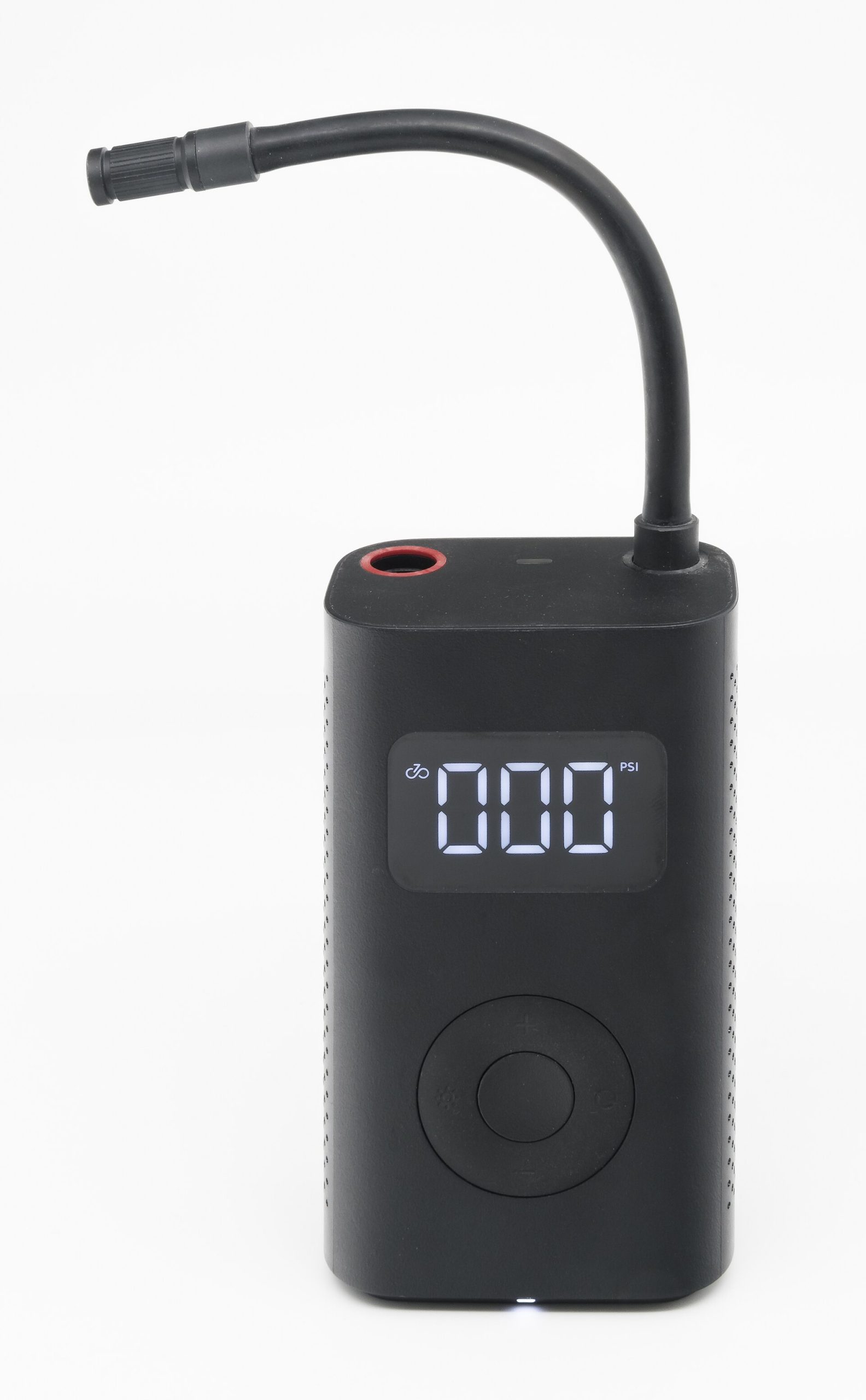
Featured image: Photo by Jacek Halicki, source, CC BY-SA 4.0