Bar measures how forcefully a pressure washer pushes water out of the nozzle; litres per minute (LPM) measures how much water it pushes through in that time. Bar affects how well the jet breaks up dirt, LPM affects how quickly it rinses that dirt away. A machine needs a sensible balance of both, not a huge number in just one.
What does the bar rating actually measure?
Bar is a unit of pressure. On a pressure washer spec sheet it describes how much force the pump is capable of building up inside the hose before the water leaves the nozzle. A higher bar figure means the jet hits the surface with more force per unit of area, which is what helps lift ground-in dirt, moss or old paint.
It is worth remembering that the bar figure on the box is usually a maximum, often measured at the pump with the nozzle removed or under specific test conditions. The pressure a reader actually feels at the gun depends on the nozzle fitted, the hose length, and how worn the pump is. Two machines with the same headline bar rating can feel quite different in daily use once real-world nozzles and fittings are factored in.
What does the litres-per-minute rating measure?
Litres per minute describes the volume of water the pump can move through the system in that time, regardless of how hard it is pushed. It is the flow rate, not the force. A washer with a high LPM figure clears soap, mud and debris off a surface faster because more water is passing over it.
LPM is also the figure that matters most when a pressure washer is paired with a rotating surface cleaner attachment, a foam lance, or anything that relies on covering an area quickly. A machine can have strong pressure and still feel slow to use if its flow rate is low, because the operator ends up moving the lance more slowly to let the water do its work.
Why do bar and LPM matter more together than either alone?
Cleaning power is really a function of both. Pressure alone can concentrate force into a small jet, which is useful for removing something stuck to a hard surface, but it does nothing to carry that loosened dirt away. Flow alone rinses a surface but may not have enough force to shift anything stubborn in the first place.
Manufacturers sometimes quote a combined figure, cleaning performance or “power” measured in units that multiply bar and LPM together. This can be a useful shorthand for comparing machines of a similar type, but it hides the trade-off between the two numbers. A machine built for high pressure and low flow behaves differently on a patio than one built for moderate pressure and high flow, even if the combined figure looks similar. For general guidance on how to weigh up spec sheet numbers rather than chase a single headline figure, the buying tools guide hub covers the wider principles that apply across power tools.
What bar rating suits which job?
The honest answer is that the right figure depends on the surface, the coating being applied or removed, and what the machine’s own documentation recommends for that nozzle and attachment. As a general shape of the trade-off:
- Lower pressure settings suit softer or more delicate surfaces, such as painted wood, some render finishes, or cars, where too much force can strip paint, damage seals or drive water into places it should not go.
- Higher pressure settings suit harder, more tolerant surfaces such as concrete, natural stone or heavily soiled masonry, where the surface can take the force and the goal is stripping ingrained dirt.
- Some nozzles spread the same pressure over a wider fan, reducing the force felt on any single point, which is one reason nozzle choice matters as much as the bar figure on the box.
Because the safe pressure for a given surface, coating, and distance-from-nozzle combination is specific to the machine and the material, always check the pressure washer’s own manual and any guidance from the surface manufacturer before working on something the reader is not confident about, particularly car paintwork, roofing, or old pointing.

Does a higher LPM always mean faster cleaning?
Not automatically. A higher LPM figure only helps if the pump can also supply that flow through the hose and nozzle without the pressure dropping away, and if the water source can keep up. A garden tap with limited flow can become the bottleneck long before the machine’s own rated LPM is reached, which is one reason performance can vary between two identical machines connected to different supplies.
Higher LPM machines also use more water per session, which matters for anyone on a metered supply or filling from a butt or container rather than a mains tap. It is one of several trade-offs worth thinking through before assuming that a bigger flow number is simply better.
How do electric and petrol pressure washers differ in these ratings?
Electric pressure washers, run from a domestic socket, are generally built around more modest bar and LPM figures because the motor’s power is limited by what a household circuit can supply. They suit routine jobs such as cars, bikes, garden furniture and smaller patio areas.
Petrol pressure washers are not tied to that limit and can be built with substantially higher bar and LPM figures, aimed at larger areas of hard standing, driveways, or heavily soiled masonry. They also bring the maintenance and running considerations of any small petrol engine. Readers weighing up why some outdoor power equipment still runs on small petrol engines rather than mains or battery power may find the background in this explanation of two-stroke engines useful context, even though most pressure washer engines are four-stroke rather than two-stroke.
What other specs get confused with bar and LPM?
A few related figures turn up on the same spec sheet and are worth telling apart:
- Maximum pressure vs working pressure — the maximum figure is often a peak the pump can briefly reach, not what it sustains during normal use.
- Input power (watts) — describes how much electricity the motor draws, not how the water performs once it leaves the nozzle.
- Hose length and reel capacity — affect reach and convenience, not cleaning force.
This kind of overlap between genuinely useful specs and figures that sound impressive but do not tell the reader much is common across power tools generally, and the article on which tool specifications are marketing, not useful goes into that pattern in more depth.
What should a buyer actually compare between models?
Rather than focusing on a single headline bar figure, it is more useful to compare bar and LPM together against the jobs actually planned, along with a few practical points:
- Whether the nozzle set includes a wide fan option suitable for the softer surfaces likely to be cleaned, alongside a narrower jet for tougher jobs.
- Whether attachments such as a surface cleaner, patio lance or foam applicator are compatible, since these rely heavily on flow rate to work well.
- How the hose, gun and lance are stored, since a pressure washer left tangled or damp between uses corrodes and degrades faster.
The broader principles behind comparing tools on genuinely relevant specs, rather than the biggest number on the box, are covered in the buying and comparing section, and the garden and outdoor category has related guides on other equipment that shares this kind of dual-spec confusion, including leaf blowers, where CFM and MPH ratings work in a similar paired way.
What PPE and precautions does using a pressure washer call for?
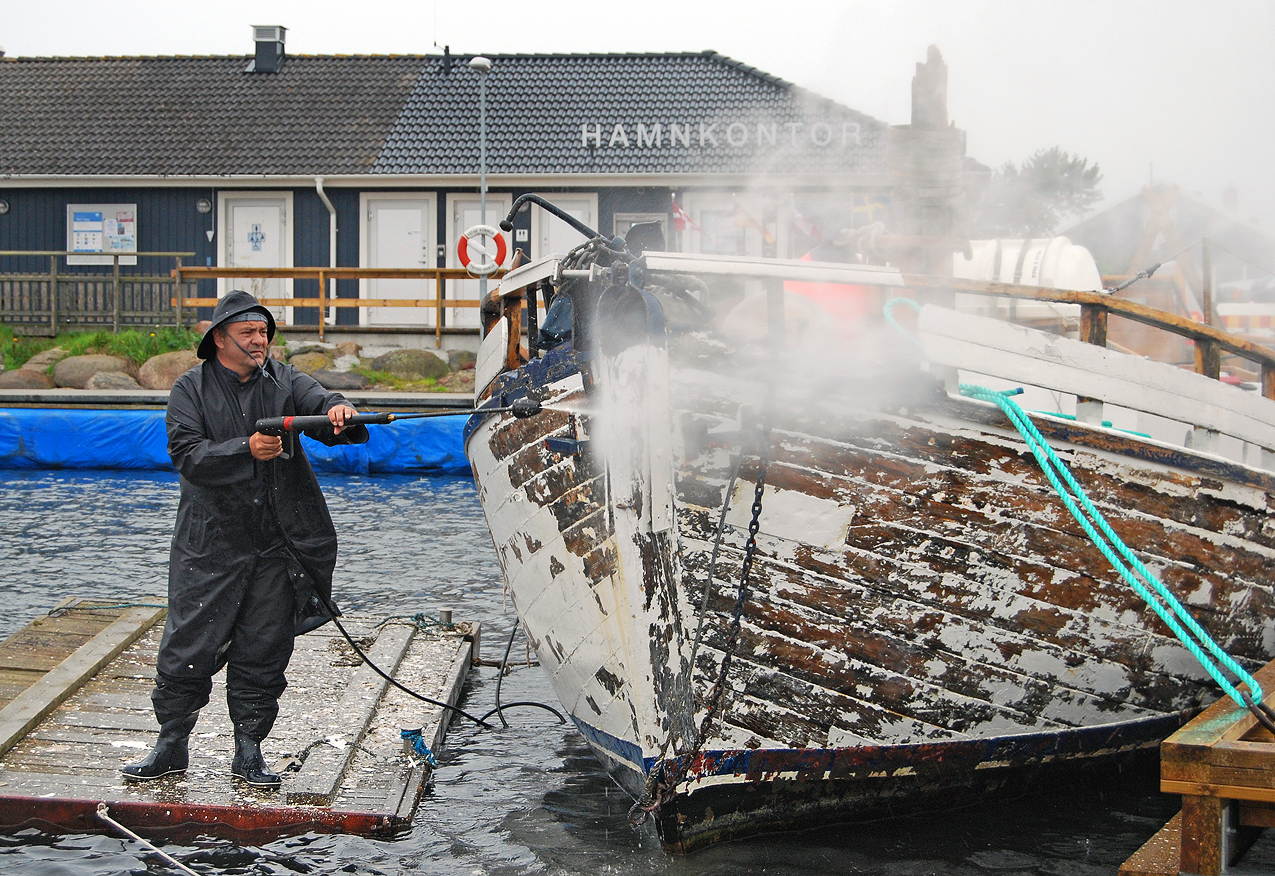
A pressure washer jet is forceful enough to break skin at close range and can drive grit, paint flakes or debris back at the operator, so eye protection is worth wearing whenever cleaning a surface that is likely to shed material. Sturdy footwear that keeps feet dry and protected from the jet is sensible, and keeping the nozzle away from other people, pets, and any electrical fittings or sockets during use matters throughout the job, not just at the start.
Electric models bring the additional consideration of water and mains electricity being used close together; an RCD-protected supply is the kind of safeguard worth understanding before working outdoors with any corded electrical equipment, and the article on what an RCD does on a workshop circuit explains the principle, though checking a home’s own supply and socket arrangement is a job for a qualified electrician rather than a guide like this one. Broader background on matching PPE to the task at hand is covered in the safety and PPE section.
Where does this fit with tools generally?
Bar and LPM are a good example of a wider pattern across power equipment: a single spec rarely tells the whole story, and the specs that matter are the ones that map onto the actual job, not the biggest number on the box. Readers comparing power tools more broadly, or trying to work out which figures are genuinely useful versus which are marketing shorthand, may find the tool guide hub and the power tools category useful starting points for that wider comparison.
Find Tool publishes general information, not professional advice. Power tools, mains electricity and workshop machinery are genuinely dangerous, and the safe settings, guards and procedures differ between models — always follow the manual and the markings on the tool in front of you rather than a general guide. Never remove or defeat a guard or safety feature. Anything involving fixed wiring, gas or structural work belongs to a qualified tradesperson. Wear the eye, ear and respiratory protection the task calls for.
Featured image: Photo by Foto: Jonn Leffmann, source, CC BY 3.0