A chainsaw’s bar length limits the maximum diameter of wood it can cut through in a single pass, roughly double the bar’s usable length once you account for the tip and the mounting end. It does not set the saw’s power, cutting speed, or how tough a job it can handle over time.
So what exactly is “bar length” measuring?
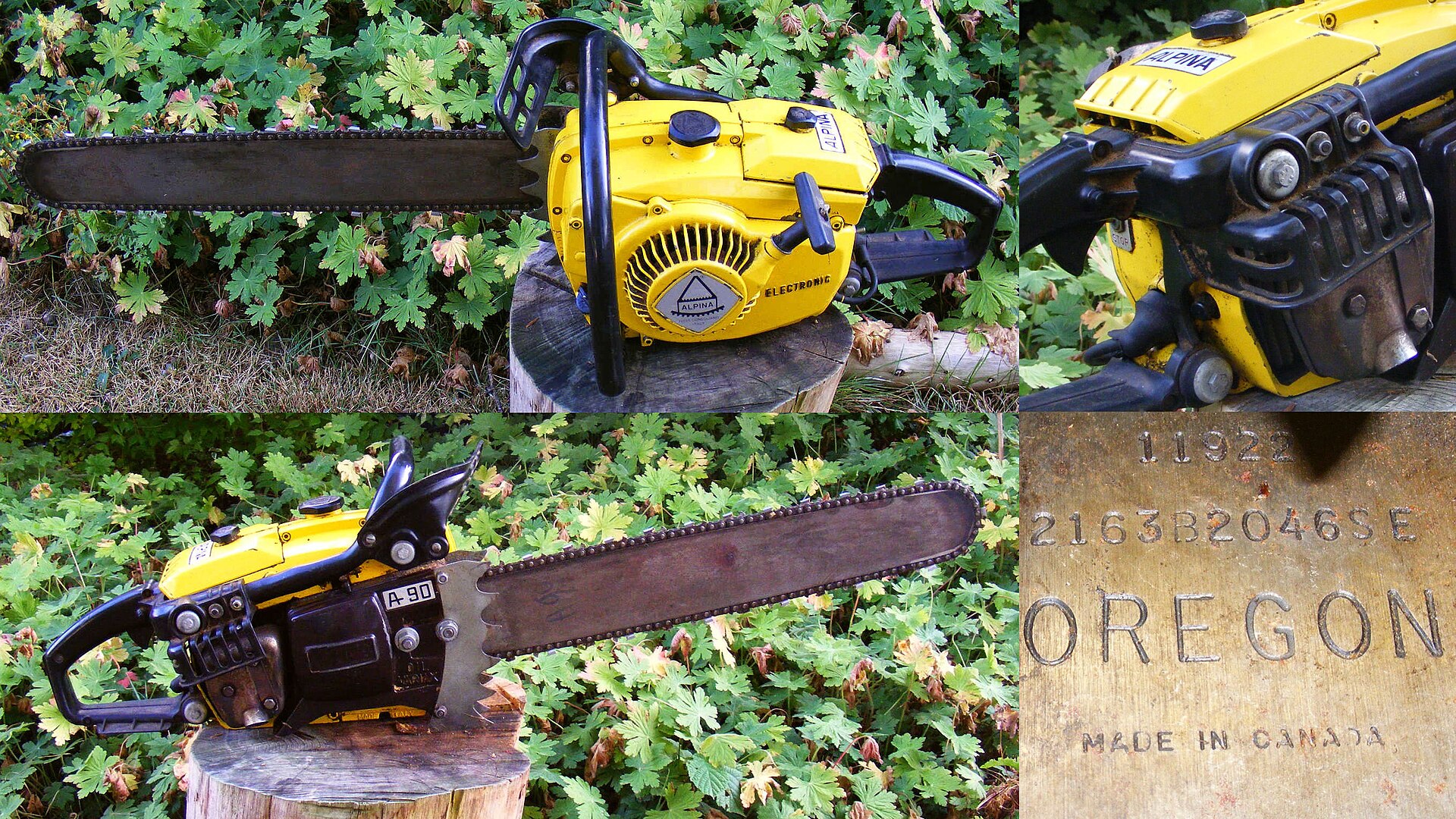
Bar length is the length of the guide bar, the flat metal blade the chain runs around, usually measured from where it exits the saw body to the tip. Manufacturers quote this as a nominal figure, often rounded, which is why the number on the box and the number you measure with a tape can differ slightly.
The chain itself loops around the bar and is driven by the saw’s motor or engine through a sprocket. Bar length, chain pitch, and drive-link count are matched to each other as a set; a bar is not simply an interchangeable length of metal on its own.
Why doesn’t a longer bar mean a more powerful saw?
Because power and reach are two different things. Engine or motor output determines how fast the chain moves and how much resistance it can push through; bar length only determines how far that chain extends from the saw body. A long bar on an underpowered saw just bogs down slower and cuts more sluggishly.
This is the same distinction that comes up with other outdoor tools where a spec looks like it should mean “stronger” but actually describes reach or coverage instead. The two-stroke engines used in many petrol garden tools are a good example of a spec that tells you about the power delivery, separate from the bar or attachment fitted to it.
How does bar length limit the size of wood you can cut?
In a single cut, the maximum diameter a saw can get through in one pass is close to the usable bar length, since the chain needs to clear both sides of the timber. A 40 cm bar can generally manage a log somewhat under that in diameter cleanly; anything larger has to be cut from more than one side.
Felling and bucking large trunks with a shorter bar is possible, but it means working around the log rather than through it in one stroke. That is slower and asks more of technique and stance, which is one reason experienced users size a bar to the timber they actually cut most often, not the biggest trunk they might occasionally meet.
What happens if you try to cut wood wider than the bar?
The cut has to be made in stages, working the bar in from opposite sides until the sections meet in the middle. This works for occasional large logs but is not a substitute for the right bar length on a saw used regularly for bigger material, since the extra passes increase the time the chain spends buried in the wood and the chances of the tip contacting something unseen on the far side.
The bar tip is the part most associated with kickback, the sudden upward-back movement that happens when the upper part of the tip contacts material unexpectedly. Working a too-short bar through oversized logs from multiple angles increases how often the tip is doing work it is not ideally positioned for.
Does bar length affect kickback risk?
Bar length itself does not cause kickback, but a longer bar does put the tip further from the operator and, on some saws, further from the point of best control. Shorter bars generally feel more manageable for tight or awkward positions, which is part of why smaller saws intended for pruning and light branch work are fitted with shorter bars as standard.
Every chainsaw comes with built-in safety features such as a chain brake and a low-kickback chain option on many models, along with markings and warnings specific to that saw. These are set by the manufacturer for a reason, and the manual is the correct reference for what they do and how they are meant to be used on that particular model — this article only explains what bar length changes, not how to work around safety features.
Why do smaller saws use shorter bars, not just weaker engines?
A shorter bar is lighter, easier to control, and puts less unsupported chain length out in front of the operator, all of which matter more for one-handed pruning work or overhead branch trimming than raw cutting capacity. Pairing a short bar with a small engine keeps the whole saw light and manageable for that kind of work.
Bigger bars add weight out at the front of the saw, which changes balance and how tiring the saw is to hold steady, especially above shoulder height. This is a similar trade-off to the one covered in what a tool’s weight changes in real use: extra capacity rarely comes free, it shows up somewhere in handling.
What should actually drive the bar length choice when buying?
The realistic diameter of the material cut most often should drive the choice, not the largest log that might turn up once a year. Buying more bar length than the engine or motor is rated to drive well tends to produce a saw that struggles in the cut rather than one that simply “does more.”
Useful things to compare when looking at bar length options include:
- Whether the saw’s power source (petrol, corded electric, or battery) is rated by the manufacturer to run the bar length being considered — this pairing is set by the maker, not left to guesswork.
- How the saw will be held and where — waist height on a bench versus overhead pruning changes what length feels controllable.
- Chain pitch and gauge, since a bar is not a stand-alone part; replacement bars and chains need to match the saw’s specification.
- Whether occasional larger logs are common enough to justify sizing up, against how much extra weight is tolerable for the rest of the work.
The guide to choosing a tool and reading its specifications covers this same idea across other equipment: a headline number rarely tells the whole story on its own, and it needs to be read alongside the rest of the tool’s rating.
How does bar length interact with chain type and bar wear?
As a bar wears, particularly at the tip sprocket or nose, cutting performance can drop even though the bar length itself hasn’t changed. A bar that is bent, has an uneven groove, or a worn tip will cut crooked or slow regardless of its rated length, so length alone does not guarantee consistent performance over the bar’s working life.
Routine bar and chain care — cleaning the groove, checking for a straight bar, and replacing a chain before it gets badly dull — belongs alongside any discussion of length, since a long bar in poor condition performs worse than a shorter one properly maintained. The tool care section has more on keeping cutting equipment in good working order generally.
What PPE does chainsaw work call for?
Chainsaw use throws wood chips and dust and is loud enough, sustained, to justify hearing protection on any job lasting more than a few minutes. Eye protection is needed for the debris thrown from the cut, and many users also wear a face shield alongside glasses for full coverage from flying material and branches.
Chainsaw-specific leg protection, sturdy gloves, and boots rated for chainsaw work are standard for anyone using one regularly, and are worth treating as part of the kit rather than an optional extra. The reasoning behind ear and eye protection ratings is covered in more detail in what noise level makes ear protection necessary and what an eye protection rating actually means, both useful background before buying any of it.
For a wider look at how chainsaws compare with other cutting tools used around a garden, the garden and outdoor tools archive and the general tool guide hub cover related equipment and how their specifications are meant to be read.
Find Tool publishes general information, not professional advice. Power tools, mains electricity and workshop machinery are genuinely dangerous, and the safe settings, guards and procedures differ between models — always follow the manual and the markings on the tool in front of you rather than a general guide. Never remove or defeat a guard or safety feature. Anything involving fixed wiring, gas or structural work belongs to a qualified tradesperson. Wear the eye, ear and respiratory protection the task calls for.