A hand plane gives direct, feel-based control over thickness, surface finish and grain direction on one board at a time. An electric planer removes material fast and squares up long or rough-sawn stock, but takes more of the fine judgement out of the cut. The right choice depends on how much material has to go, and how good the surface needs to be when it’s done.
What is each tool actually built for?
A hand plane is a sharpened blade held at a fixed angle in a body, pushed across the wood by hand. Depth of cut, angle of attack and pressure all come from the user, which is exactly why it can leave a glass-smooth surface or a wafer-thin shaving with no tear-out.
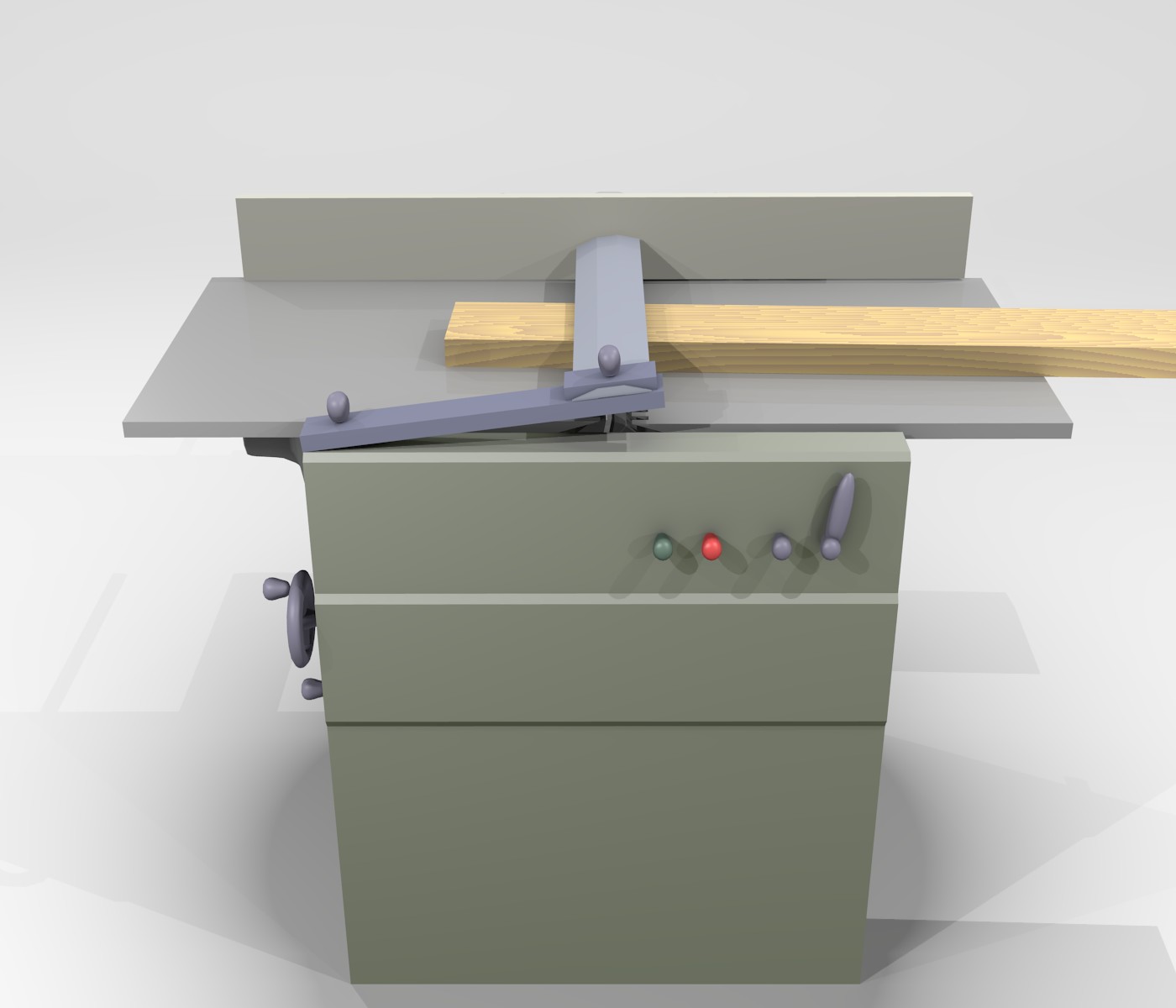
An electric planer — whether a hand-held power planer or a benchtop thickness planer — spins a cutter block at speed and feeds the wood past it, or feeds itself across the wood. It’s built to take off a consistent amount of material quickly, across a whole board or a whole batch of boards, without the operator’s arm doing the work.
Which one gives a better surface finish?
A well-tuned hand plane, in skilled hands, usually wins on finish. It can be set for a very fine shaving, worked with the grain to avoid tear-out, and stopped the moment the surface looks right. That level of feedback is hard to replicate with a spinning cutter.
An electric planer leaves faint, regular ridges from the rotating blades — often called mill marks — and can tear out figured or reversing grain if the feed rate or depth isn’t matched to the timber. Most work planed by machine still gets a pass of sanding or hand planing afterwards if a fine finish matters.
Which is faster for removing a lot of material?
This is where the electric planer earns its keep. Dimensioning rough-sawn stock, trimming a sticking door down by several millimetres, or bringing a stack of boards to the same thickness are all jobs that would take a long time with a hand plane and barely tire an electric one.
A hand plane can technically do all of these things, but removing a large amount of material by hand is slow, and it’s easy to end up with an uneven surface if fatigue sets in halfway through a board.
What about accuracy and control?
A hand plane rewards patience. The user can take one thin shaving, check the result, and take another. Depth is adjustable in very small increments, and stopping a cut exactly where it needs to stop is straightforward.
An electric planer sets its depth on a dial or lever before the cut starts, and once the feed begins, the result is largely fixed. Boards can come out slightly tapered if the tool isn’t kept flat and level through the pass, and it’s common for the very ends of a board to come out thinner than the middle — a known effect worth reading up on before planing anything that has to be a precise, consistent thickness end to end.

Which is quieter and produces less dust?
A hand plane produces shavings, not fine dust, and makes almost no noise. It can be used indoors, in the evening, without ear defenders or a dust extractor anywhere in sight.
An electric planer is loud enough that hearing protection matters for any sustained use — see this plain guide to what noise level makes ear protection necessary if it’s unclear where the line sits. It also throws chips and fine dust, which calls for eye protection and, on hardwoods or engineered board, something better than a basic dust mask; the difference is explained in dust mask vs respirator: what’s the real difference?.
Do they need different skills to use safely?
A hand plane’s main hazard is a very sharp exposed blade. Hands stay behind the cutting edge, the workpiece is held in a vice or against a bench hook rather than by hand near the sole, and the blade is stored so nothing brushes against it edge-first.
An electric planer has a spinning cutter block, which is a different kind of risk. The tool’s own guard covers the cutter whenever it isn’t actually in the cut, and that guard is there to do exactly that job — it should never be removed or wedged open to make an awkward cut easier. If a cut feels like it needs the guard out of the way, that’s a sign to change the setup, use a fence or jig, or reach for a different tool rather than work around a safety feature. Loose clothing, dangling sleeves and gloves near the rotating cutter are worth thinking about too; why loose sleeves and gloves matter near rotating tools covers the reasoning.
Which jobs actually call for a hand plane?
- Easing a sticking drawer or shaving a door down by a millimetre or two
- Cleaning up a glued joint flush without sanding through the surface
- Putting a crisp chamfer on an edge for feel or looks
- Fine furniture surfaces where mill marks would show under a finish
- Any job where a power tool would be overkill for the amount of material involved
Which jobs actually call for an electric planer?
- Bringing rough-sawn timber down to a working thickness before other joinery
- Squaring up an edge on a long board that a hand plane would take a long time to true
- Trimming a door on site to fit a frame that’s swelled or shifted
- Preparing a batch of boards to the same thickness for a project
Can you use both on the same project?
Yes, and many home workshops end up doing exactly that: the electric planer takes rough stock down close to final size quickly, and a hand plane does the last, thin pass that leaves a genuinely smooth surface with no machine marks. Depth of cut, feed direction and how aggressive a pass to take are all things the tool’s own manual and its markings should guide — that’s especially true for benchtop thickness planers, where maximum removal per pass varies by model and by timber.
What should you compare before buying either one?
For a hand plane, the things that matter are the flatness of the sole, how easy the blade is to adjust and sharpen, and the size relative to the work — a small block plane and a long jointer plane do different jobs even though both are “hand planes.” For an electric planer, cutter width, whether it’s corded or cordless, and how the depth adjustment feels in use matter more than headline numbers on the box.
Whichever way the decision goes, the general questions are the same ones covered in the buying tools guide: what the job actually needs, how often it will get used, and which specifications are genuinely useful versus marketing. Corded and cordless electric planers trade off differently on power and portability, covered in corded vs cordless: what actually decides it?. If the numbers stamped on a hand plane’s body are confusing, what do the numbers on a hand plane mean? is a useful place to start.
How do you keep either tool cutting well?
A hand plane blade needs to be kept sharp to work at all — a dull iron tears the surface instead of slicing it, no matter how carefully it’s set up. The difference between a quick touch-up and a full re-grind is explained in honing vs sharpening: what’s the difference?.
An electric planer’s blades also dull with use, and a blunt cutter forces the motor to work harder for the same result, which shows up as more noise, more heat and rougher cuts rather than a clean shaving. It’s worth understanding this before assuming a struggling planer needs a new motor rather than a fresh blade.
Which one belongs in a modest home workshop?
Most home workshops end up with a use for both, at different scales. A hand plane earns its keep on finishing touches, repairs and small adjustments where control matters more than speed. An electric planer earns its keep whenever there’s real bulk stock to dimension and the time saved is worth the noise and dust that come with it. Neither tool replaces the other — they solve different-sized problems in the same broad job of getting a board flat, straight and the right thickness.
Find Tool publishes general information, not professional advice. Power tools, mains electricity and workshop machinery are genuinely dangerous, and the safe settings, guards and procedures differ between models — always follow the manual and the markings on the tool in front of you rather than a general guide. Never remove or defeat a guard or safety feature. Anything involving fixed wiring, gas or structural work belongs to a qualified tradesperson. Wear the eye, ear and respiratory protection the task calls for.
Featured image: Photo by Dschamal Berger, source, CC BY-SA 4.0