Garden tools should be stored over winter cleaned of soil, dried completely, lightly oiled on metal surfaces, and kept somewhere dry rather than left outside or leaning against a damp shed wall. Fuel needs draining or stabilising in petrol tools, and blades on secateurs and shears should be closed or sheathed before they go into storage.
Why does winter storage matter more than storage the rest of the year?
Winter combines the two things that damage tools fastest: standing moisture and long periods of inactivity. A spade left dirty in July gets used again within a week or two, so light surface rust never gets the chance to take hold. The same spade put away dirty in October can sit untouched for four or five months in a cold, damp shed, which is exactly the environment rust and timber rot need.
Damp air also plays havoc with wooden handles, which swell, shrink and can loosen inside their metal sockets over a winter of temperature swings. None of this is dramatic on any single tool, but it adds up, and it’s the reason a tool left carelessly for one winter can feel noticeably worse by spring than one that was cleaned and put away properly.
How should metal tools be cleaned before storing?
Soil, sap and plant residue should be removed from every metal surface before storage, because they hold moisture against the metal long after the tool looks dry. A stiff brush, a scraper for caked mud, and a rag for the last film of dirt are usually enough for spades, forks, hoes and trowels.
- Brush off loose soil outdoors rather than carrying it into the shed or garage.
- Wipe sap and plant juice off secateur and shear blades, which can be more corrosive than plain soil.
- Dry every tool completely before it goes into storage — a tool put away wet defeats the point of cleaning it.
For anyone building a broader cleaning and care routine, the Tool Care archive covers the same principles across hand tools, power tools and machinery.
Should garden tools be oiled before winter storage?
Yes — a thin film of oil on bare metal is one of the simplest ways to stop rust forming over winter, because it keeps moist air away from the surface. A light machine oil or a specialist rust inhibitor wiped on with a rag is enough; there is no need to soak the tool.
Wooden handles benefit from a different treatment. Boiled linseed oil, applied sparingly and left to soak in, helps stop the wood drying out and cracking in a cold, low-humidity shed. It is not a one-off job — handles that see a lot of use benefit from re-oiling every season or two, not just before winter.
Where is the best place to store garden tools over winter?
Garden tools store best somewhere dry, out of direct rain and snow, and off a bare concrete or earth floor, which draws moisture into anything resting on it. A shed, garage or lean-to is fine as long as tools are hung or racked rather than left leaning in a corner.
Hanging tools by their heads keeps blades and tines off the floor and stops handles absorbing damp from below. It also keeps sharp edges away from where hands and feet naturally reach in the dark. A simple rail or set of hooks does the job; there’s no need for anything elaborate.
Humidity matters more than temperature for rust and timber. A cold but genuinely dry shed does less damage over winter than a slightly warmer one that stays damp. Readers dealing with a persistently damp storage space may find it worth reading about workshop and storage more broadly, since the same humidity issues affect power tools and timber as much as spades and forks.

What about petrol and battery-powered tools?
Petrol tools need their fuel either run dry or treated with a stabiliser before a long winter layup, because untreated petrol degrades over months and can gum up a carburettor. The tool’s own manual will say which approach it expects and how to carry it out — this varies enough between engines that it isn’t worth guessing.
Two-stroke engines, common on strimmers, hedge trimmers and chainsaws, are particularly sensitive to old fuel because the oil and petrol mixture separates and degrades differently to straight petrol. The two-stroke engine guide explains why these tools are built this way and what that means for storage and maintenance.
Battery-powered tools should not be stored for winter at a full charge or completely flat. Lithium-ion batteries age fastest at the extremes of charge, so a partial charge and a check partway through winter is a sensible habit. Battery packs should also be stored somewhere that doesn’t freeze, since very cold storage isn’t good for them either.
How should blades and cutting edges be protected?
Cutting edges on secateurs, loppers, shears and pruning saws should be cleaned, lightly oiled and closed or sheathed before winter storage, because an exposed edge left damp is the fastest part of any tool to rust. A sheath, an old scabbard, or even a folded piece of cardboard taped over the blade is enough to stop accidental contact and keep the edge dry.
The difference between how bypass and anvil secateurs handle a cut is explained in the bypass vs anvil secateurs guide, and the trade-offs between secateurs, loppers and a pruning saw for different jobs are covered in the secateurs vs loppers vs pruning saw comparison — both worth checking before deciding which of a winter’s-worth of cutting tools actually need sharpening before spring rather than just oiling.
A blade that throws off rust flakes or metal fragments when it’s being cleaned back up in spring is a reason for eye protection during that job, not just during cutting. The Safety & PPE archive covers what different tasks around the workshop actually call for.
What about spades, forks and other digging tools?
Spades, forks and hoes should be cleaned of soil, dried, and either hung or stood on a shelf rather than left standing in a corner with the blade or tines in contact with a damp floor. Sockets where a wooden handle meets a metal head are a common weak point — soil trapped there holds moisture against both the wood and the metal at once.
The specific job a border fork is built for, and how that differs from a digging fork or spade, is covered in the border fork guide, and the practical differences between a spade and a shovel are explained in the spade vs shovel comparison — useful context if winter is also a good time to decide whether a tool actually earns its space in the shed.
Is it worth doing anything to the shed itself before winter?
A shed that lets rain in, or that has no airflow at all, undoes most of the cleaning and oiling described above. Checking the roof, door seal and any gaps where water can pool is worth doing before tools go away for winter, not after they come out rusted in spring.
Good ventilation matters as much as keeping rain out — a sealed, unventilated shed can trap humidity from the ground and from the tools themselves, which is part of why hanging storage and raised shelving outperform a floor covered in loose tools. The Garden & Outdoor archive has more on choosing and looking after the tools that live in that space through the rest of the year.
What is the simplest winter storage routine to actually stick to?
The simplest routine that works is: clean every tool of soil and sap, dry it fully, wipe bare metal with a light oil, treat wooden handles occasionally, sheathe or close blades, and store everything off the floor in a dry space. Petrol tools need fuel handled per their manual; batteries need a partial charge and a frost-free spot.
None of these steps take long individually. Done together, in the same afternoon a garden is put to bed for winter, they’re the difference between tools that come out working in spring and tools that need cleaning up, re-handling or replacing before the first job of the new season.
Find Tool publishes general information, not professional advice. Power tools, mains electricity and workshop machinery are genuinely dangerous, and the safe settings, guards and procedures differ between models — always follow the manual and the markings on the tool in front of you rather than a general guide. Never remove or defeat a guard or safety feature. Anything involving fixed wiring, gas or structural work belongs to a qualified tradesperson. Wear the eye, ear and respiratory protection the task calls for.
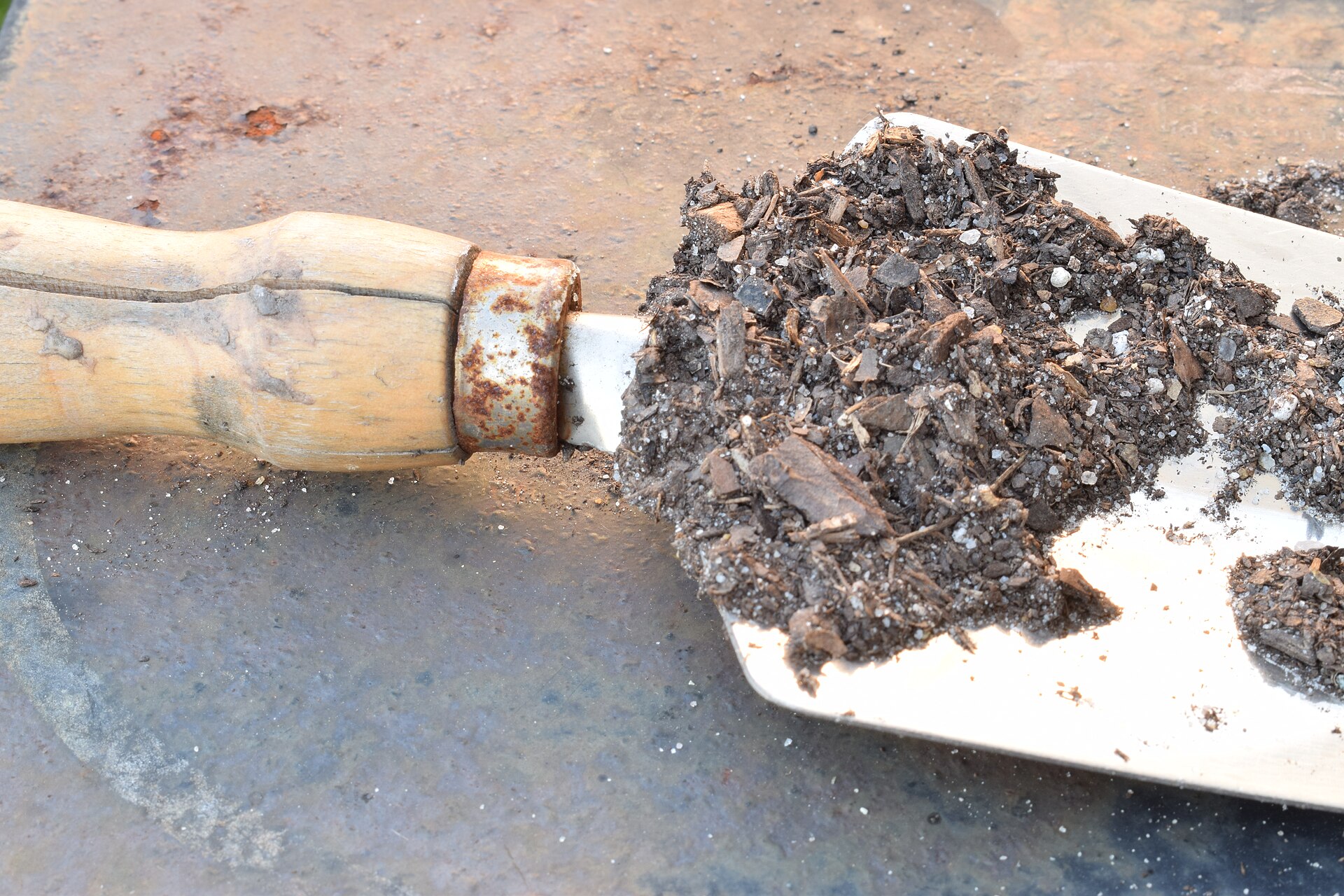
Featured image: Photo by PumpkinSky, source, CC BY-SA 4.0