A lawn scarifier is a machine or hand tool that drags blades or tines through the surface of a lawn to pull out thatch, moss and dead grass matted between the soil and the living grass. It doesn’t loosen the soil itself — it clears the layer sitting on top of it so air, water and feed can actually reach the roots.
What is thatch, and why does it need pulling out?
Thatch is the spongy layer of dead grass stems, roots and organic debris that builds up between soil and living turf. A thin layer is normal. A thick one stops water and nutrients getting through and gives moss somewhere to take hold.
Left alone, a lawn with heavy thatch tends to look patchy and spongy underfoot even when it’s watered and fed properly. The grass simply can’t get what it needs through the mat sitting on top of the roots.
What does a scarifier actually do to the lawn?
A scarifier’s blades or tines cut down through the thatch layer and drag it up to the surface, where it’s collected in a box or left in rows to be raked up and removed. The process is deliberately rough on the lawn’s surface.
Most scarifiers work in one of two ways:
- Spring-tine rakes — flexible metal tines that flick through the grass and lift out moss and loose debris. Gentler, better suited to light maintenance and smaller or thinner lawns.
- Fixed-blade cartridges — rigid blades set to cut down into the thatch layer at a set depth. More aggressive, and the standard choice for lawns with a genuine thatch problem rather than just surface moss.
Some machines let the operator swap between a tine cartridge and a blade cartridge, effectively giving two levels of aggression from one machine.
Is scarifying the same as aerating?
No. Scarifying clears the thatch layer sitting on top of the soil. Aerating puts holes into the soil itself to relieve compaction and let air and water down to the root zone. They solve different problems and are often done as separate passes.
A compacted lawn that’s also thatchy usually benefits from both, but scarifying first makes sense — there’s little point aerating through a mat of dead grass that’s just going to be pulled out afterwards anyway.
How is a scarifier different from a lawn rake?
A hand rake with springy tines does a similar job on a small scale, dragging moss and loose thatch to the surface by hand. A powered scarifier does the same thing mechanically, at a set depth, across a much larger area in far less physical effort.
For a small lawn or a light moss problem, a hand rake and some patience may be all that’s needed. For a larger lawn or thatch that’s built up over several seasons, a powered scarifier does the job more consistently because the cutting depth stays constant across the whole pass.

What does the depth setting actually control?
The depth setting on a scarifier controls how far the tines or blades reach down below the tips of the grass — shallow settings mostly skim moss and surface debris, deeper settings cut into the thatch and can nick the soil surface itself.
Going too deep too soon can strip a lawn back further than it can recover from quickly, especially on thin or stressed turf. The manufacturer’s manual for a specific machine will set out how depth is adjusted and what starting point it recommends — that’s worth following rather than guessing, since machines vary in how their depth adjustment is marked and calibrated.
A lawn generally looks worse immediately after scarifying, not better. Bare patches and exposed soil are the expected result of a good pass, not a sign something’s gone wrong.
When is the right time to scarify a lawn?
Scarifying is generally done when grass is actively growing and can recover quickly afterwards, rather than during periods of drought, heavy heat, or when the lawn is dormant. The exact window depends on grass type and local climate, which is a question for regional gardening guidance rather than this article.
Timing matters because scarifying is stressful on turf. A lawn that’s actively growing fills in the bare patches within a few weeks; a lawn that’s dormant or under drought stress may not recover at all from the same treatment.
What should be compared when choosing a scarifier?
The practical differences between scarifiers come down to power source, working width, depth adjustment, and how the collected debris is handled — not brand names or headline power figures.
- Power source — electric corded models are lighter and simpler for small gardens; cordless battery models trade some run time for no cable to manage; petrol models suit larger areas where cable length or battery endurance would be limiting.
- Working width — a wider scarifier covers more ground per pass but is heavier and less manoeuvrable around beds, trees and awkward corners.
- Collection — a rear collection box saves a separate raking-up job; machines without one leave debris in rows that need gathering afterwards.
- Cartridge type — some machines only take a spring-tine cartridge, some only a blade cartridge, and some accept either, which extends what one machine can be used for.
The tool buying guide covers how to weigh up specifications like these against what a garden actually needs, rather than what a spec sheet emphasises. For a broader look at how outdoor power tools are categorised and compared, the garden and outdoor tools archive is a useful starting point.
What PPE and safety points actually matter for scarifying?
Scarifiers throw up soil, moss, small stones and grass debris while running, so eye protection is worth wearing even though it’s easy to skip for what looks like a routine mowing-adjacent job. Sturdy closed footwear matters too, given the exposed rotating blades or tines underneath the housing.
Powered scarifiers are loud enough over a sustained pass that ear protection is worth considering, particularly with petrol models. As with any rotating garden machine, hands and feet stay well clear of the housing while it’s running, and the machine is switched off and allowed to stop completely before clearing debris jams by hand.
The manufacturer’s manual for a specific machine sets out the guarding, safety interlocks and switch behaviour it was designed with, and that guidance takes priority over any general description here.
How does a scarifier fit alongside other lawn tools?
A scarifier handles thatch and moss removal specifically. It doesn’t cut grass, trim edges, or clear rough growth — those are separate jobs done with separate tools. Understanding where a scarifier’s job starts and stops helps avoid buying one to solve a problem it isn’t built for.
For cutting grass itself, the choice of mower mechanism matters more than most people expect — the piece on rotary vs cylinder mowers covers what actually differs between the two designs. For trimming edges and rough growth around a lawn rather than the lawn surface itself, strimmers, brushcutters and lawn edgers are the relevant comparison, since none of them do what a scarifier does.
Many petrol-powered garden machines, scarifiers included, still run on small two-stroke engines rather than mains or battery power — the explainer on why some garden tools still use a two-stroke engine covers why that design persists in this category specifically.
Is scarifying worth doing every year?
Whether a lawn needs scarifying every year depends on how quickly thatch builds up, which varies with grass type, mowing habits and how much organic debris is left on the lawn rather than collected. A lawn that’s mowed with clippings regularly collected typically builds up thatch more slowly than one where clippings are left to break down in place.
Rather than scarifying on a fixed annual schedule, it’s worth checking the lawn itself — parting the grass to look at the thatch layer gives a clearer answer than a calendar date. A thin, barely-there layer doesn’t need the stress of a full scarifying pass; a thick spongy one usually does.
Where does this fit for someone with a basic home workshop?
A scarifier is generally stored, maintained and occasionally repaired the same way as other outdoor power equipment — kept dry, blades or tines checked for wear, and any electrical components inspected before each season. The tool care archive covers general maintenance habits that extend equipment life across categories.
For anyone weighing up whether a scarifier is worth owning outright versus hiring for an occasional job, the broader question of what to buy versus rent is covered in the buying and comparing archive, alongside other outdoor equipment decisions that come down to how often a tool actually gets used.
Find Tool publishes general information, not professional advice. Power tools, mains electricity and workshop machinery are genuinely dangerous, and the safe settings, guards and procedures differ between models — always follow the manual and the markings on the tool in front of you rather than a general guide. Never remove or defeat a guard or safety feature. Anything involving fixed wiring, gas or structural work belongs to a qualified tradesperson. Wear the eye, ear and respiratory protection the task calls for.
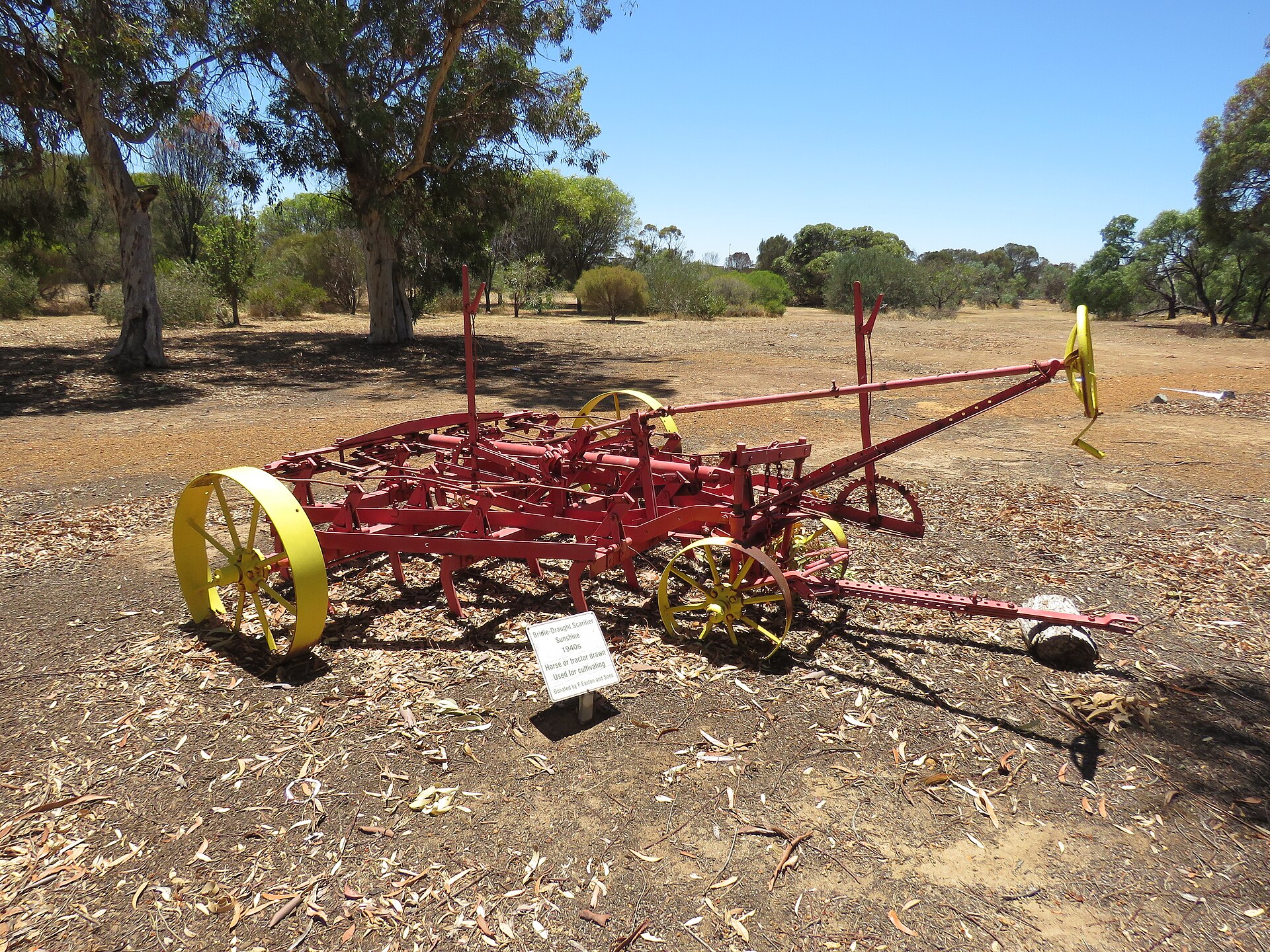
Featured image: Photo by Calistemon, source, CC BY-SA 4.0