Hand tools, cast-iron machinery and anything built to be sharpened or serviced are usually fine second-hand, because their value is in solid metal and simple mechanics that don’t wear out on their own. Batteries, cordless tool bodies, anything with a safety system built into the electronics, and tools you plan to use often are usually better bought new.
What actually separates the “buy used” tools from the “buy new” ones?
The dividing line is not price. It’s whether the tool’s value is in dumb, durable metal or in something that quietly degrades — a motor’s windings, a battery’s chemistry, a safety interlock’s wiring. Tools built around simple mechanics age slowly. Tools built around electronics, cells or consumable components age whether they’re used or not.
A hand plane, a vice, a set of chisels or a cast-iron table saw base can sit in a shed for decades and still do their job once cleaned up. A cordless drill battery pack, on the other hand, starts losing capacity from the day it’s made, regardless of how carefully the previous owner treated it. Understanding which category a tool falls into is most of the decision.
Which tools are usually fine to buy second-hand?
Tools that are mostly solid metal, have few moving parts, and can be inspected by eye tend to hold their value and their function well past their first owner. This covers most of what’s in a hand tool kit.
- Chisels, plane irons and marking tools — a flat back and a sound edge can be restored with sharpening, and the steel itself doesn’t wear out from age. See why chisels need a flat back and the difference between honing and sharpening.
- Cast-iron machinery bodies — bench vices, older drill presses, table saw tables — where the main risks are rust and missing parts, not hidden wear.
- Clamps, squares and other layout tools, provided they’re checked for straightness and square rather than assumed to be accurate.
- Sockets, spanners and wrenches, since these are simple forged steel with no electronics or consumables involved.
The common thread: what you’re buying can be checked with your own eyes and hands at the point of sale, and a worn example can usually be brought back with cleaning, sharpening or a replacement part rather than a whole new tool. The hand tools archive and tool care and maintenance section cover most of these restoration questions in detail.
What should you check before buying a used power tool?
Corded and cordless power tools can be good used buys, but only after checking the things that don’t show up in a photo — brush wear, bearing noise, cord condition, and whether the safety features are all present and working as designed. A tool missing a guard or interlock is not a bargain.
Run the tool if possible and listen for grinding, smell for anything burnt, and check that any riving knife, blade guard or dead-man switch is intact and moves as it should. A full walk-through of what to physically check is covered in what to check before buying a used power tool, and it’s worth reading in full before viewing anything in person. If a listing shows a guard removed or an interlock bypassed, treat that as a reason to walk away, not a feature to fix later.
A burning smell, even faint, from a running motor is a specific warning sign worth understanding on its own — see what a burnt smell from a power tool actually means.

Why are batteries and cordless tools different?
A lithium-ion battery starts ageing from manufacture, loses capacity with every charge cycle, and degrades faster if it’s been left flat or stored at full charge for long periods — none of which shows up by looking at the case. Buying a used battery means buying an unknown amount of remaining life.
This is one of the clearer “buy new” categories on the list. The tool body itself — the drill, the driver, the saw — can often be bought used once checked over, but the battery and charger are worth budgeting for new, or at minimum tested under load before money changes hands. Background on why batteries age the way they do is in how lithium-ion tool batteries actually age and what storing a battery at full charge does to it.
There’s a related decision that matters here too: committing to a cordless platform means every future tool and battery has to match it. That’s worth thinking through separately — see what a battery platform commitment actually costs you — before buying either new or used.
Do safety-critical parts change the calculation?
Yes. Any component that exists specifically to prevent injury — a riving knife, an anti-kickback pawl, a blade guard, a dead-man switch — needs to be present, correctly fitted and working, whether the tool is new or used. A used machine missing one of these is not a saving; it’s an incomplete tool.
These parts are not always obvious from a listing photo, and sellers don’t always know what’s meant to be there. It’s worth reading up on what each part actually does before viewing a used machine, so a missing or modified guard is recognisable on sight:
- what a riving knife is and why it’s not optional
- what an anti-kickback pawl does
- what a dead-man switch is and why power tools need one
If any of these are missing, taped over, or clearly disabled, the safest and only sound response is to treat the tool as unsafe to use until it’s put right by someone qualified to do so, or to look elsewhere. This applies equally to a tool bought new with a fault out of the box.
Does warranty change whether new is worth the extra cost?
A warranty on a new tool covers manufacturing defects for a defined period, but it rarely covers wear items like brushes, batteries or consumable blades, and it usually doesn’t survive a private resale. Knowing what’s actually covered helps decide whether the new-tool premium is buying real protection or just peace of mind.
Some trade and prosumer tools carry longer or more useful warranty terms specifically because they’re expected to see heavier use — this is one of the real differences between tool tiers, covered in DIY vs prosumer vs trade tools. Reading exactly what a warranty covers, and what it doesn’t, is worth doing before treating it as a reason to pay more: what a warranty actually covers on a power tool.
How does duty cycle affect the new-vs-used decision?
A tool built for occasional home use and one built for daily trade use are engineered to different standards, and that shows up fastest in how well they survive a second owner. A trade-duty machine bought used, from someone who serviced it properly, can outlast a DIY-grade tool bought new.
This is worth checking against how the tool has actually been used, not just its age. A used tool with a heavy duty cycle history and clear signs of maintenance can be a better buy than a lightly-specified new one. The idea of duty cycle and what it tells you about a tool’s intended user is explained in what a tool’s duty cycle tells you about who it’s for.
What’s a practical way to sort a wish list into new and used?
A simple sorting question works for most tools: can this be fully inspected and, if needed, repaired using hand skills and basic parts — or does its value depend on something invisible, like remaining cell life or motor winding condition? The first category leans used; the second leans new.
- Lean used: hand tools, vices, clamps, squares, cast-iron machine bodies, sockets and spanners — check condition, not age.
- Lean new: batteries, chargers, anything with electronic safety systems you can’t fully verify, and tools you’ll run daily.
- Check carefully either way: corded power tools, once you’ve confirmed guards, interlocks and motor condition using the used power tool checklist.
Whatever the source, the same PPE applies once the tool is in use. Loud machinery needs hearing protection judged against sustained exposure rather than guesswork — see what noise level makes ear protection necessary — and anything that throws chips or dust needs eye and respiratory protection matched to the material, covered in what an eye protection rating actually means and dust mask vs respirator.
For a wider view of how to weigh specifications, tiers and pricing before any purchase, new or used, the buying tools hub and the buying and comparing archive cover the underlying comparisons in more depth.
Related reading
how power tools, hand tools and measuring kit actually work, What Does Refurbished Mean When a Manufacturer Sells It?, Nail Gun vs Screws: What Decides the Fixing?, What Does Renting Rather Than Buying Make Sense For?
Find Tool publishes general information, not professional advice. Power tools, mains electricity and workshop machinery are genuinely dangerous, and the safe settings, guards and procedures differ between models — always follow the manual and the markings on the tool in front of you rather than a general guide. Never remove or defeat a guard or safety feature. Anything involving fixed wiring, gas or structural work belongs to a qualified tradesperson. Wear the eye, ear and respiratory protection the task calls for.
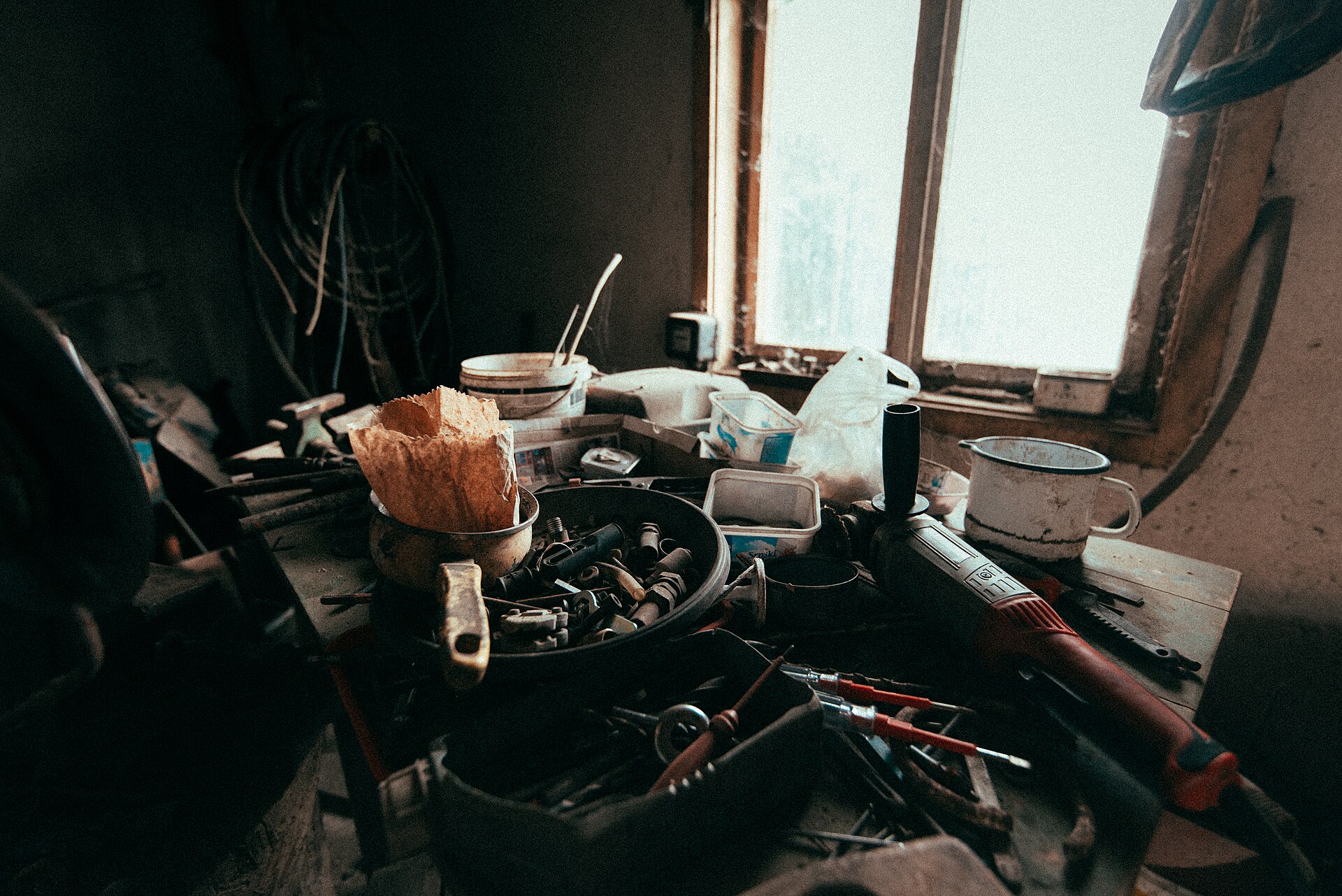
Featured image: Photo by Shixart1985, source, CC BY 2.0